5 Jun 2026
Uncovering How Interface Connections Shape Authorization Stability Across Digital Merchant Ecosystems
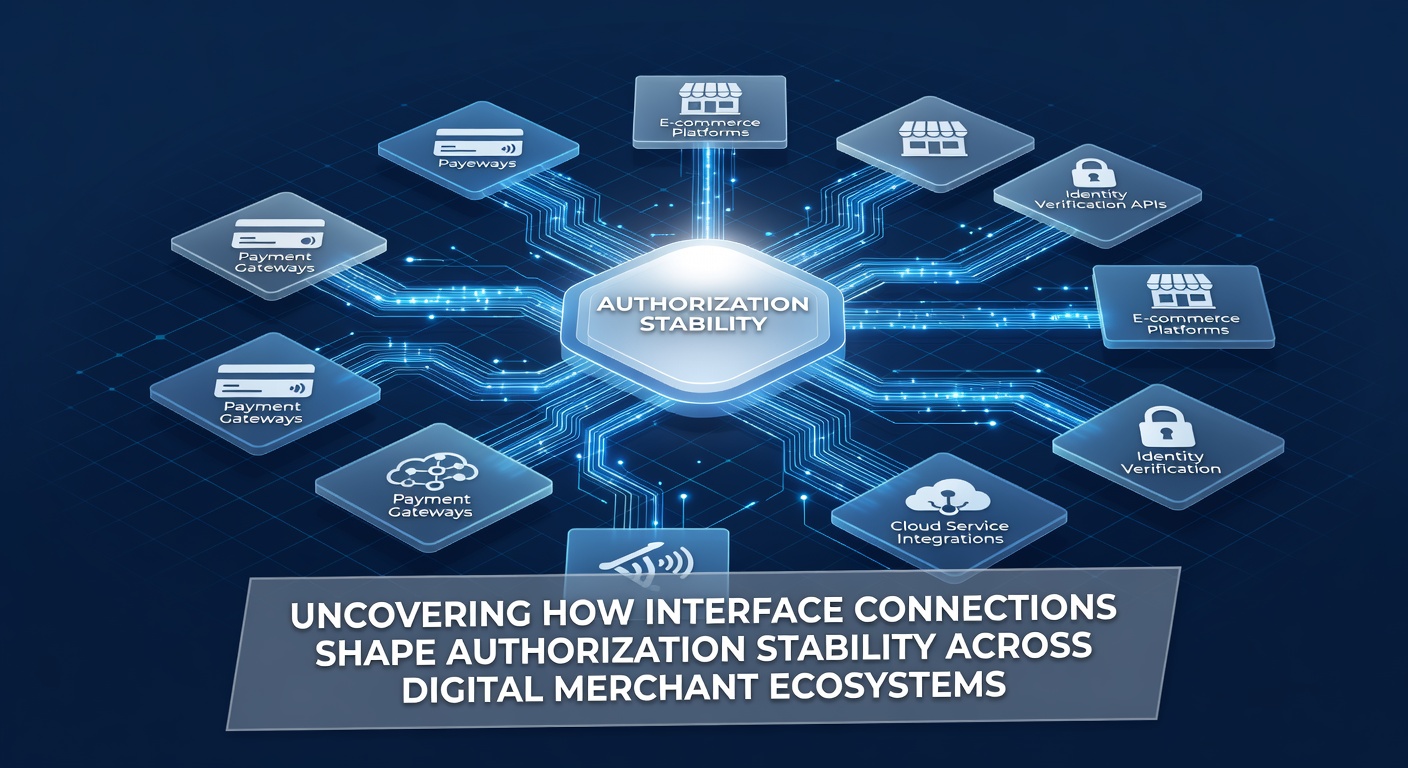
Interface connections serve as the backbone for authorization processes in digital merchant ecosystems, where seamless data exchanges between payment gateways, banks, and merchant platforms determine whether transactions proceed without interruption. These connections encompass APIs, secure endpoints, and real-time communication protocols that handle everything from initial card validation to final approval signals, and researchers have documented how even minor disruptions in these pathways can cascade into authorization failures across multiple systems.
Core Components of Interface Architecture
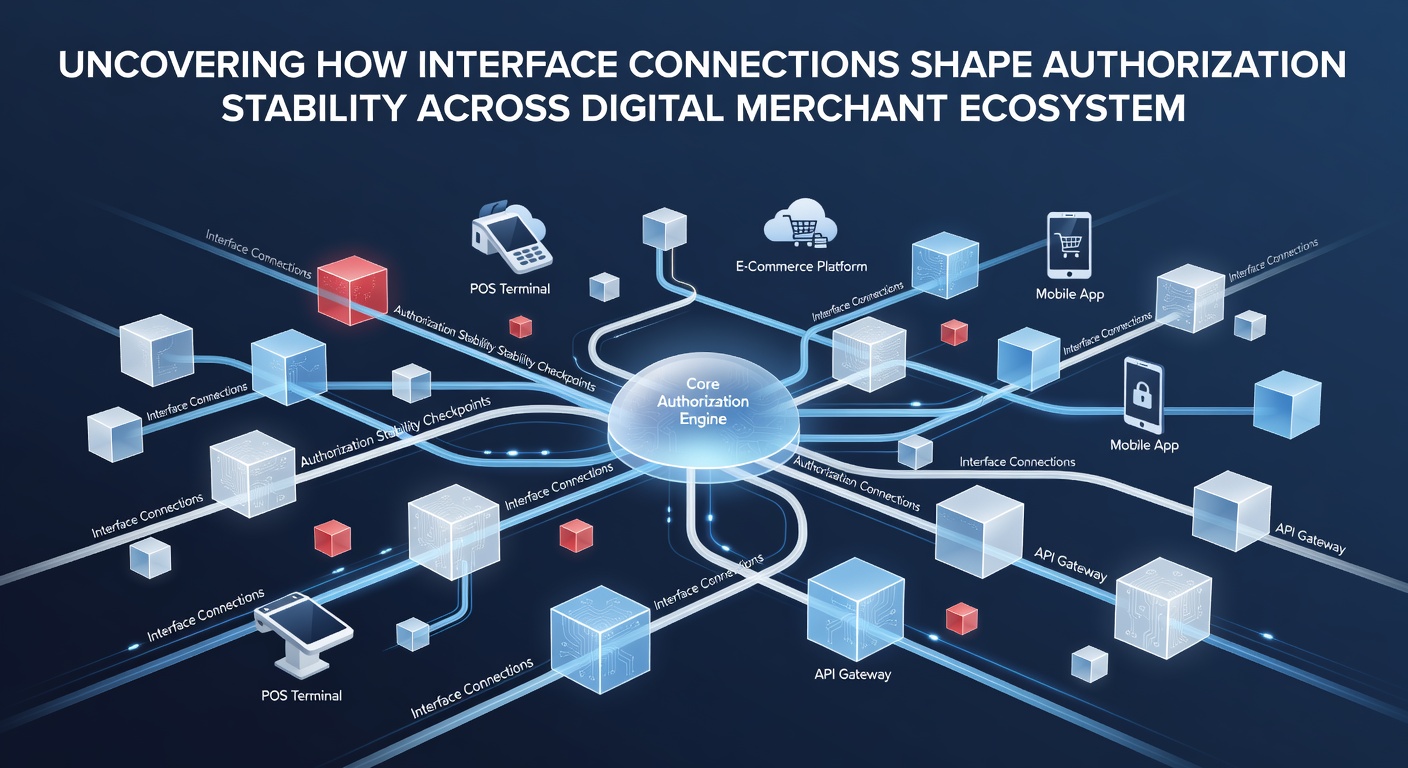
Digital merchant setups rely on layered interface designs that link point-of-sale terminals, online checkout modules, and backend processors through standardized protocols such as REST and SOAP, while data from industry reports shows that systems using redundant connection paths experience fewer authorization drops during peak traffic periods. Observers note that endpoint configurations often incorporate load balancing mechanisms and failover routines, which route authorization requests to alternative servers when primary channels encounter delays or errors, and studies from payment infrastructure analyses confirm these features contribute directly to sustained stability in high-volume environments.
Influence on Authorization Outcomes
Authorization stability hinges on the speed and reliability of data transmission across these interfaces, because latency above certain thresholds triggers automatic declines from issuing banks that interpret delays as potential fraud indicators. Those who've examined transaction logs across large merchant networks find that optimized interface routing reduces average response times by routing queries through the shortest available paths, and evidence from global payment studies indicates this approach maintains approval rates even when network congestion occurs in specific regions. But here's the thing: interfaces lacking proper encryption handshakes or certificate validations introduce additional failure points that interrupt the authorization sequence before it reaches the card network.
Regional Data and Emerging Patterns
Figures from the Bank of Canada payment systems report reveal that Canadian merchants adopting multi-region interface redundancy saw authorization consistency improve by measurable margins during the first half of 2025, whereas single-point connections correlated with higher variance in approval outcomes. In parallel, European analyses highlight how PSD2-mandated interface standards have pushed banks and merchants toward more uniform connection protocols, and data collected through mid-2025 shows reduced error rates in cross-border authorizations when these protocols align across jurisdictions. What's interesting is that similar patterns appear in reports covering Asia-Pacific markets, where interface monitoring tools detect and reroute traffic before stability thresholds are breached.
Developments Anticipated by June 2026
Regulatory updates scheduled for release in June 2026 are expected to introduce new interface certification requirements for merchant platforms operating across multiple jurisdictions, according to preliminary guidance from the European Central Bank on evolving payment frameworks. These changes would mandate enhanced logging of connection states during authorization attempts, allowing systems to identify patterns of instability earlier in the transaction cycle. Observers tracking these preparations note that merchants already testing updated endpoint protocols report smoother transitions when simulating high-load scenarios, and the alignment of these standards across regions could reduce fragmentation that currently affects authorization reliability in international merchant operations.
Integration Challenges and Technical Adjustments
Merchants face ongoing adjustments when legacy systems interface with modern authorization platforms, because mismatched data formats or authentication methods create bottlenecks that undermine stability even when individual components function correctly. Research indicates that phased migration strategies, which maintain parallel connections during transition periods, help preserve authorization success rates while new interfaces undergo validation. Those monitoring deployment cases across North American and European ecosystems have recorded instances where incremental updates to connection parameters prevented widespread disruptions that might otherwise have occurred during full-scale rollouts.
Conclusion
Interface connections continue to determine the consistency of authorization outcomes throughout digital merchant ecosystems, with technical configurations directly affecting response reliability and transaction completion rates. Data gathered from multiple regulatory and industry sources demonstrates that investments in redundant pathways, standardized protocols, and proactive monitoring yield measurable improvements in stability across varied operational scales. As June 2026 approaches and new certification frameworks take effect, merchants and service providers will likely refine these connections further to meet evolving requirements while sustaining authorization performance in interconnected payment environments.