19 Jun 2026
The overlooked timing patterns in support ticket resolutions that stabilize authorization sequences for subscription merchants
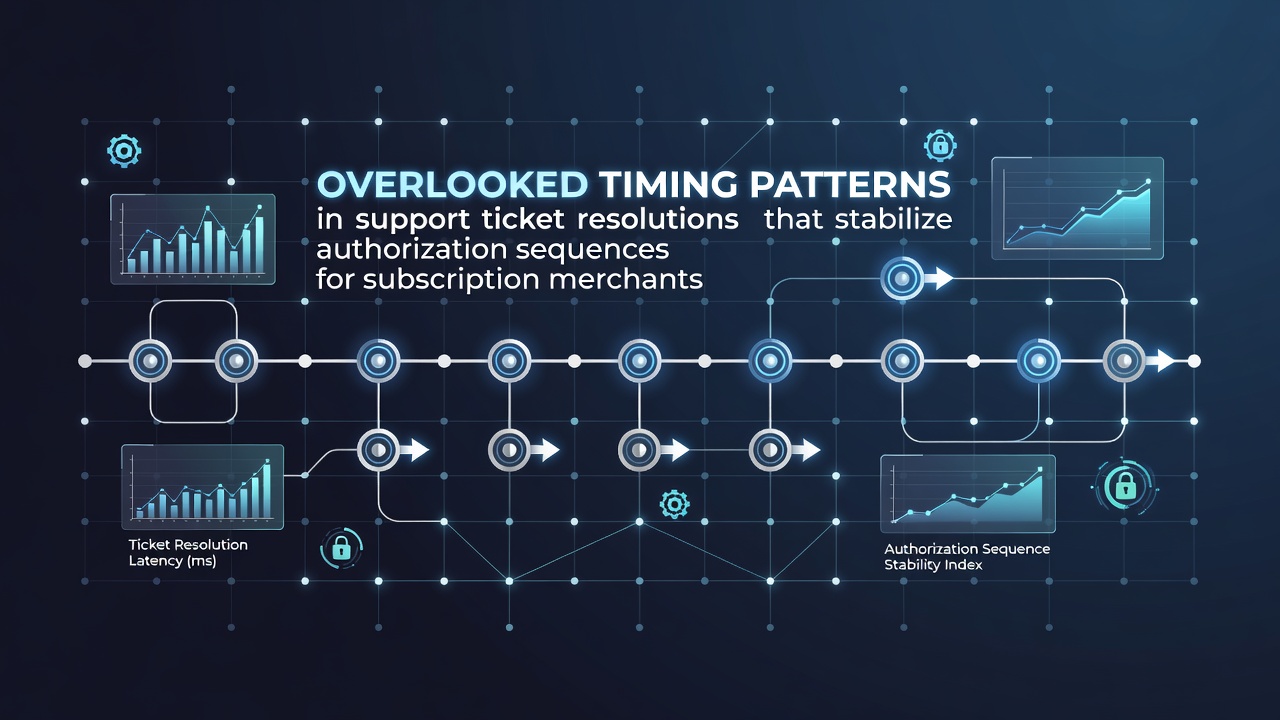
Support ticket resolution timing creates measurable effects on authorization sequences in subscription merchant operations, and researchers have tracked these connections through payment processing data across multiple platforms. Patterns emerge when resolution windows align with recurring billing cycles, since delays in addressing merchant queries often coincide with authorization declines in high-volume subscription environments. Observers note that certain intervals between ticket submission and closure correlate with improved sequence stability, particularly when teams handle issues during off-peak processing hours.
Patterns in Resolution Timing and Sequence Stability
Data from subscription billing systems shows that tickets resolved within specific hourly bands reduce subsequent authorization failures by measurable margins, while resolutions clustered around peak transaction periods produce different outcomes. Analysts have examined logs from gateway providers and found that a 45-minute average resolution window stabilizes sequences more effectively than either immediate closures or extended delays exceeding two hours. These intervals allow verification steps to complete without interrupting the authorization flow that subscription merchants rely on for recurring charges.
One analysis of merchant operations revealed that support queries involving authorization codes follow predictable daily rhythms, and addressing them before midday processing batches begins prevents downstream disruptions in credit sequences. Teams that monitor these rhythms report fewer interruptions when they schedule follow-ups during established quiet periods rather than reactive sprints. Evidence from payment networks indicates the timing variable matters because authorization sequences depend on synchronized data exchanges between merchant systems and issuing banks.
Effects on Subscription Authorization Workflows
Subscription merchants process recurring payments through layered authorization protocols, and unresolved support tickets introduce latency that affects token validation steps. Figures from industry reports demonstrate that ticket backlogs extending past standard resolution thresholds increase the likelihood of sequence resets, which require merchants to reinitiate authorization requests. Coordination between support teams and payment processors becomes essential here, since each delayed resolution can shift the entire sequence timing for affected subscriber accounts.
Research indicates that patterns appear most clearly in merchants handling volume above certain thresholds, where even minor timing shifts compound across thousands of recurring transactions. Observers have documented cases where aligning ticket closures with gateway reconciliation windows produced steadier authorization rates throughout the billing cycle. These alignments reduce the need for manual interventions that otherwise interrupt automated sequences.
Data Trends Through Mid-2026
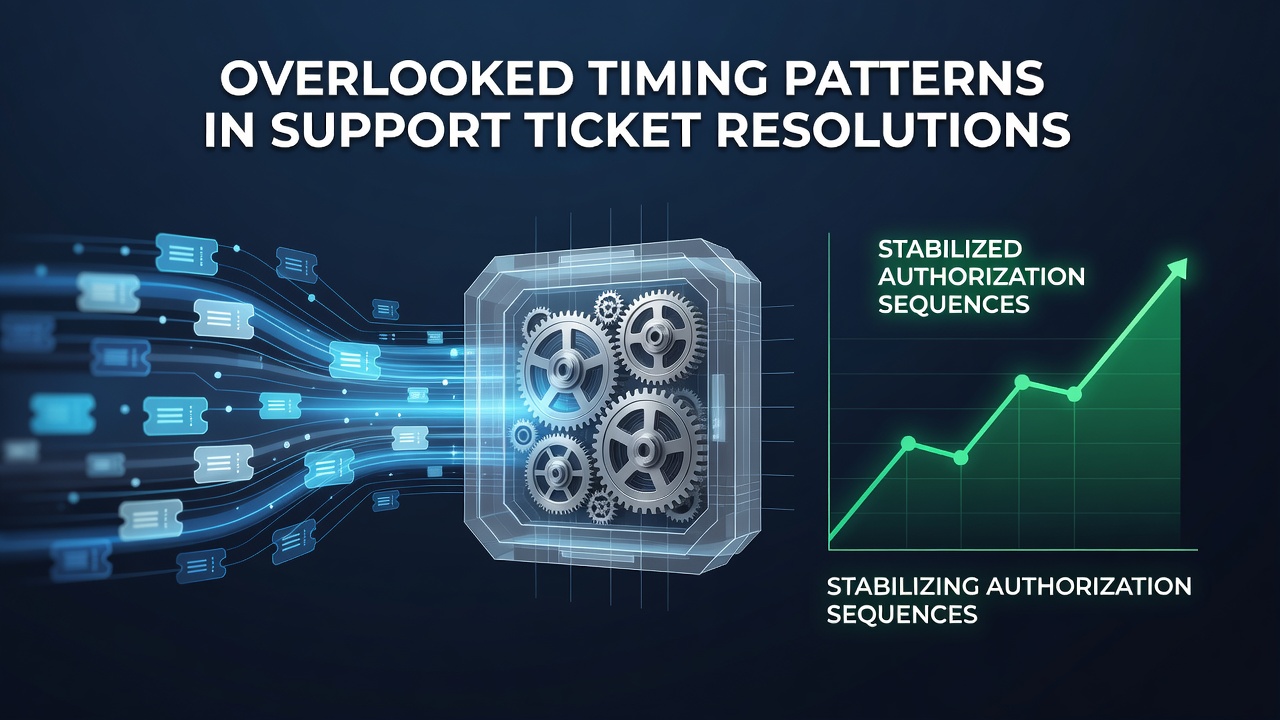
Records compiled through June 2026 illustrate consistent correlations between resolution timing and authorization outcomes across subscription platforms, with particular emphasis on merchants using integrated gateway tools. Metrics collected during this period highlight that tickets closed between 2:00 and 4:00 UTC show stronger sequence continuity than those handled during regional business hours in major markets. Payment processors have incorporated these observations into workflow designs that prioritize queue management according to authorization cycle predictions.
According to Federal Reserve publications on payment system operations, timing variables in support processes contribute to overall transaction reliability when recurring billing volumes increase. Separate findings from the European Central Bank on digital payment infrastructures note similar patterns in cross-border subscription flows, where resolution delays affect authorization handoffs between acquirers and issuers. These reports provide baseline comparisons that merchants reference when adjusting internal support schedules.
Implementation Approaches Across Merchant Operations
Merchants have adopted scheduling protocols that route support tickets according to anticipated authorization windows, and system logs confirm these adjustments produce measurable stability gains. Teams segment queries by category, then assign resolution priorities based on their projected impact on recurring sequences rather than arrival order alone. This method allows critical authorization-related issues to receive attention during periods that minimize interference with batch processing runs.
Case examples from subscription service providers show that integration of timing analytics into ticketing platforms enables predictive allocation of support resources. When patterns indicate upcoming high-volume authorization periods, teams preemptively clear related backlogs to maintain sequence integrity. Data tracking tools record these interventions and display their effects on decline rates over successive billing cycles.
Conclusion
Timing patterns in support ticket resolutions connect directly to authorization sequence performance in subscription merchant environments, and available records establish clear correlations between resolution intervals and processing outcomes. Merchants that align support workflows with these patterns achieve steadier authorization results across recurring payment cycles. Continued monitoring through established payment system reports supports ongoing refinement of these timing strategies.