27 May 2026
The Connection Between Response Teams and Transaction Validation in Preventing Losses for Online Sellers
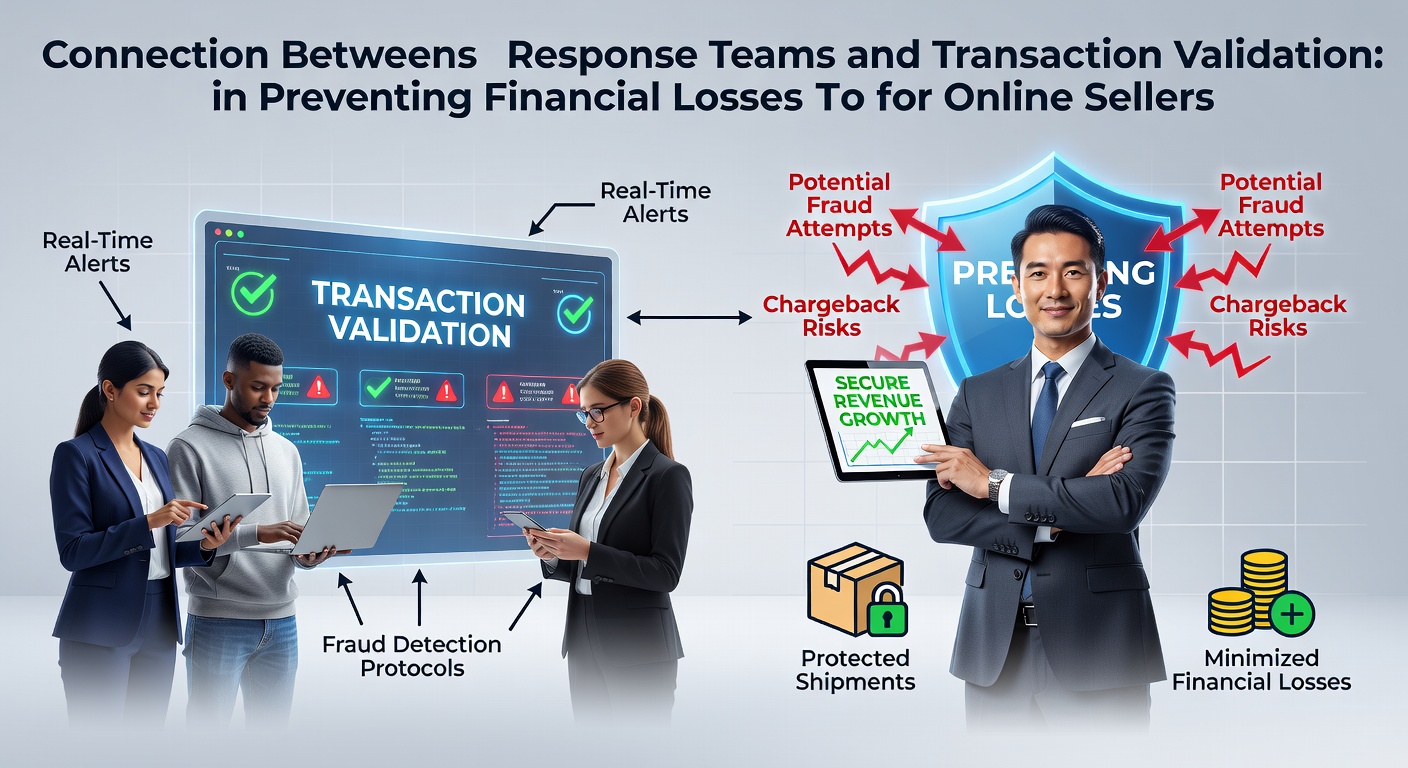
Online sellers face ongoing challenges from fraudulent transactions and chargebacks that erode revenue streams when left unchecked, yet response teams and transaction validation systems work together to address these issues through coordinated monitoring and verification steps. Data from payment industry reports indicate that integrated approaches reduce unauthorized activity by combining automated checks with human oversight during high-volume periods.
Core Elements of Transaction Validation
Transaction validation involves multiple layers of verification that examine card details, billing addresses, and device fingerprints before funds move, and researchers at institutions such as the University of Toronto have documented how these protocols flag inconsistencies in real time. Merchants apply address verification services alongside card verification values while three-domain secure protocols add another authentication layer that confirms cardholder identity through issuer networks. Studies from the European Banking Authority show that layered validation cuts initial fraud attempts by significant margins when implemented across payment gateways.
Validation systems process thousands of checks per minute during peak sales cycles, yet they generate alerts that require immediate attention from specialized teams to distinguish between legitimate declines and potential losses. One case reviewed by analysts at the Australian Securities and Investments Commission highlighted how validation alone missed subtle patterns until response personnel reviewed aggregated data and adjusted thresholds accordingly.
Role of Response Teams in Real-Time Oversight
Response teams monitor incoming alerts from validation tools and step in when automated flags indicate unusual spending patterns or mismatched information, allowing them to contact issuers or hold transactions for further review. These groups operate in shifts that cover global time zones so coverage remains continuous for merchants with international customer bases. Teams review logs from previous days to identify repeat offenders while also handling live interventions that prevent funds from leaving seller accounts in the first place.
Coordination between teams and validation software becomes evident when a flagged transaction triggers an automated hold that gives personnel time to investigate linked accounts or contact customers through verified channels. Observers note that such collaboration shortens resolution times and limits exposure during events like flash sales when transaction volumes spike unexpectedly.
Integrated Workflows That Reduce Chargeback Exposure
Merchants who connect response teams directly to validation dashboards report fewer successful disputes because teams can gather evidence quickly and submit documentation before chargeback deadlines pass. Validation systems log timestamps, IP addresses, and device data that teams retrieve to build cases against fraudulent claims. Research published by the Bank of Canada in 2025 outlined how shared data streams between these functions lowered average loss per disputed transaction for participating retailers.
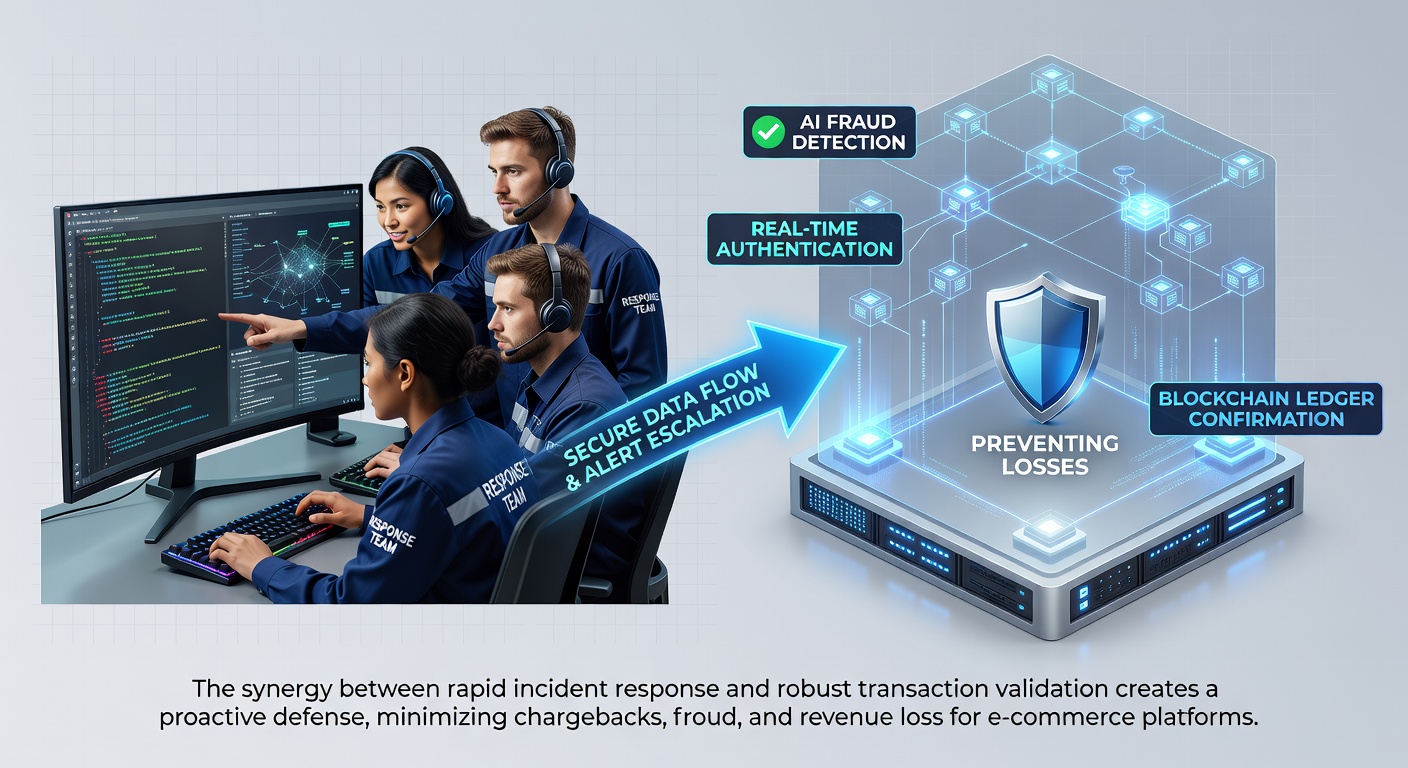
Workflows often include escalation paths where validation scores below a set threshold route automatically to team queues, and personnel apply additional manual reviews or request secondary authentication from buyers. This process continues through May 2026 as new regulatory updates from various regions require enhanced record-keeping for disputed payments.
Data Patterns and Adjustment Mechanisms
Teams analyze weekly reports that validation systems produce to spot emerging fraud trends such as testing of stolen card batches or geographic anomalies, then they update rules within the validation platform to reflect those observations. Adjustments happen through feedback loops where declined transactions inform future scoring models without disrupting normal checkout flows for verified customers. Figures from industry tracking services reveal that merchants using these closed loops experience steadier approval rates alongside lower loss ratios over successive quarters.
Seasonal events like holiday promotions create temporary surges that test both validation capacity and team responsiveness, yet pre-planned staffing combined with dynamic rule sets keeps most attempts contained. Those who have examined merchant data across multiple platforms confirm that early pattern detection by response staff leads to validation refinements that carry forward into quieter periods.
Conclusion
Response teams and transaction validation systems form an interconnected defense that limits losses when merchants maintain clear communication channels and regular system updates. Evidence from regulatory and academic sources demonstrates measurable reductions in fraud exposure through their combined operation, and ongoing refinements scheduled through 2026 continue to strengthen these connections for online sellers worldwide.