12 Jun 2026
Synchronizing Merchant Onboarding Timelines with Gateway Latency Metrics to Stabilize High-Volume Recurring Credit Card Authorizations
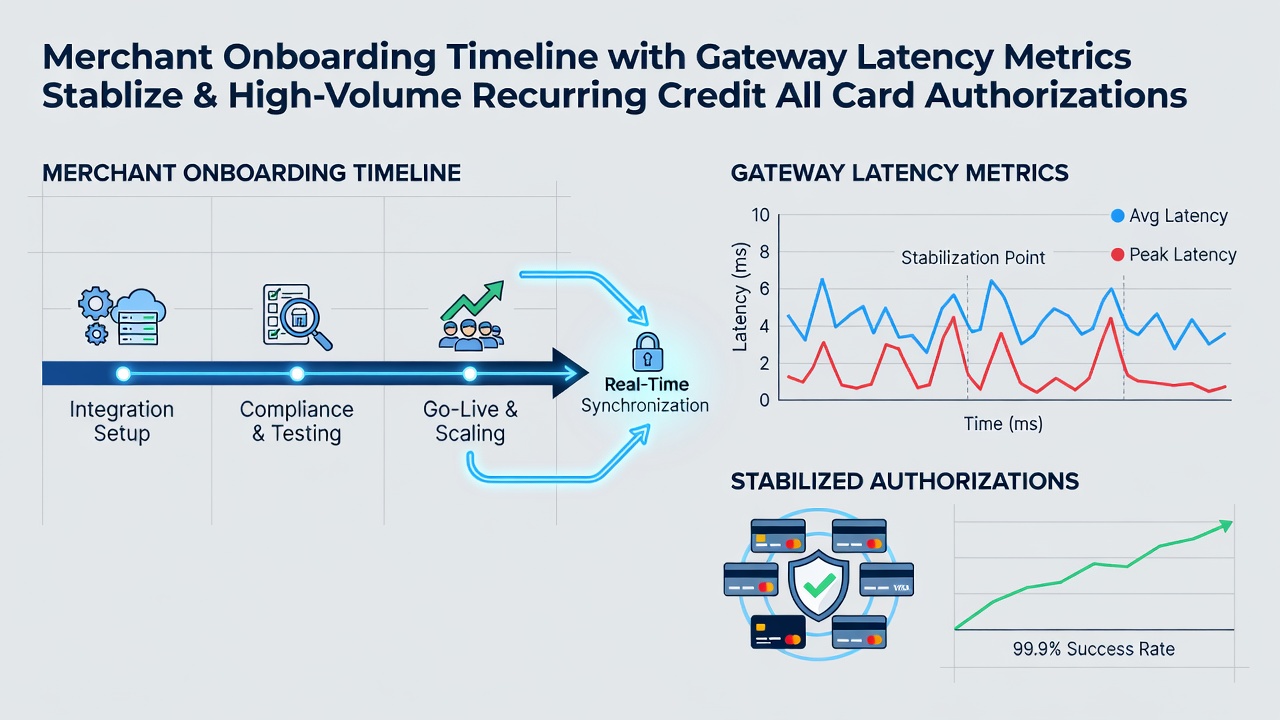
Payment processors handle merchant onboarding as a structured sequence of verifications that includes account setup, compliance checks, and integration testing while gateway latency metrics track the time intervals between authorization requests and responses across recurring credit card transactions. Observers note that aligning these two elements allows systems to adjust processing loads before high-volume subscription cycles begin and data from transaction logs shows patterns where mismatched timelines lead to authorization declines during peak periods.
Defining Merchant Onboarding Timelines
Merchant onboarding timelines span from initial application submission through final activation and they incorporate steps such as identity verification, risk assessment, and API configuration that typically range from several days to multiple weeks depending on the payment provider. Researchers at institutions tracking global payment systems report that standardized timelines help merchants prepare infrastructure before recurring charges activate and one study released in early 2025 outlined how delays in any single verification stage extend overall activation by an average of 12 days across examined platforms.
Gateway Latency Metrics in Recurring Authorizations
Gateway latency metrics measure round-trip times for credit card authorization requests and they become critical when merchants process thousands of recurring transactions daily because even small increases in response delays compound across billing cycles. Figures from network monitoring services indicate average latencies between 150 and 400 milliseconds for stable gateways while spikes above 800 milliseconds correlate with higher decline rates in subscription models and analysts examining these metrics in June 2026 identified seasonal patterns where latency rose during major billing windows for streaming and software services.
Linking Onboarding Timelines to Latency Data
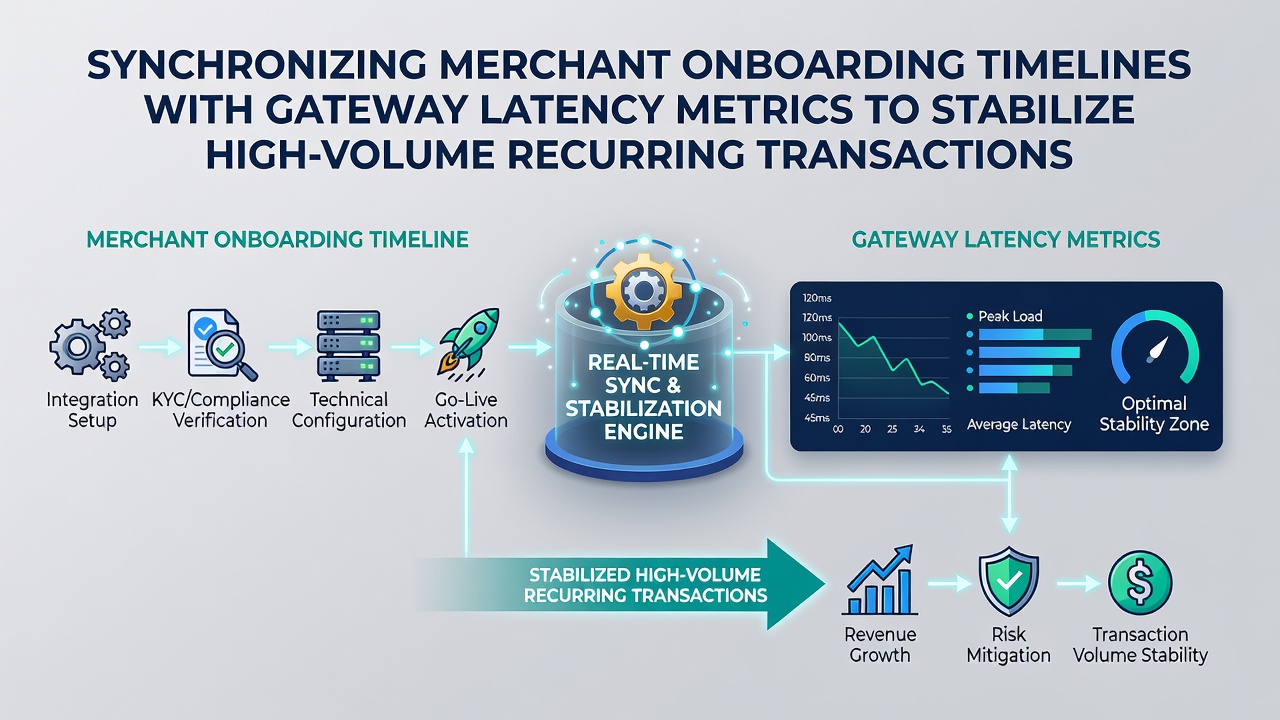
Synchronization begins when onboarding teams incorporate latency benchmarks into activation schedules so that merchants complete integration testing only after confirming gateway performance meets thresholds for their expected transaction volume. Experts describe this process as matching the duration of compliance reviews with real-time monitoring feeds that flag latency issues early and data shows this approach reduces initial authorization failures by coordinating system readiness with observed network conditions.
Payment platforms apply this coordination through shared dashboards that display both onboarding progress and latency trends allowing teams to extend testing phases when metrics indicate potential instability. Those who manage high-volume recurring flows report that early detection of elevated response times during onboarding prevents cascading declines once subscriptions activate and integration logs reveal fewer interruptions when timelines adjust dynamically to metric thresholds.
Implementation Approaches Across Payment Ecosystems
Teams implement synchronization by establishing latency thresholds during the final stages of merchant verification and they route test transactions through production gateways to validate performance before full activation. According to reports from the Bank for International Settlements, coordinated monitoring reduces variance in authorization success rates across regions and platforms that adopted these methods observed stabilization in recurring volumes within the first two billing cycles after launch.
Automated tools pull latency data directly into onboarding workflows so adjustments happen without manual intervention and this integration allows providers to scale merchant activations while maintaining consistent response times. Research from academic centers studying payment infrastructure highlights cases where synchronized systems handled volume increases of 300 percent without proportional rises in declines and observers attribute the stability to preemptive alignment of timelines with metric baselines.
Effects on High-Volume Recurring Credit Card Flows
High-volume recurring authorizations benefit when onboarding timelines account for gateway latency because the alignment minimizes bottlenecks that arise during synchronized billing events across thousands of accounts. Data indicates that platforms using these methods experience fewer timeout errors and maintain authorization rates above 98 percent during peak cycles and one documented case involved a subscription service that adjusted its merchant activation schedule based on latency readings to avoid a projected surge in declines.
Regulatory guidance from the European Central Bank emphasizes monitoring payment system performance during merchant integrations and this focus encourages providers to track latency alongside onboarding milestones. Figures reveal that regions following such practices see improved consistency in recurring transaction handling compared to areas without coordinated metrics and network operators note reduced retry volumes as a direct outcome of the alignment.
Conclusion
Coordinating merchant onboarding timelines with gateway latency metrics creates measurable stability for high-volume recurring credit card authorizations by ensuring system readiness matches network performance requirements. Data from multiple sources demonstrates fewer disruptions when these elements align and ongoing monitoring supports continued adjustments as transaction patterns evolve.