18 May 2026
Support Ecosystems That Streamline Charge Authorization Workflows in Subscription Models
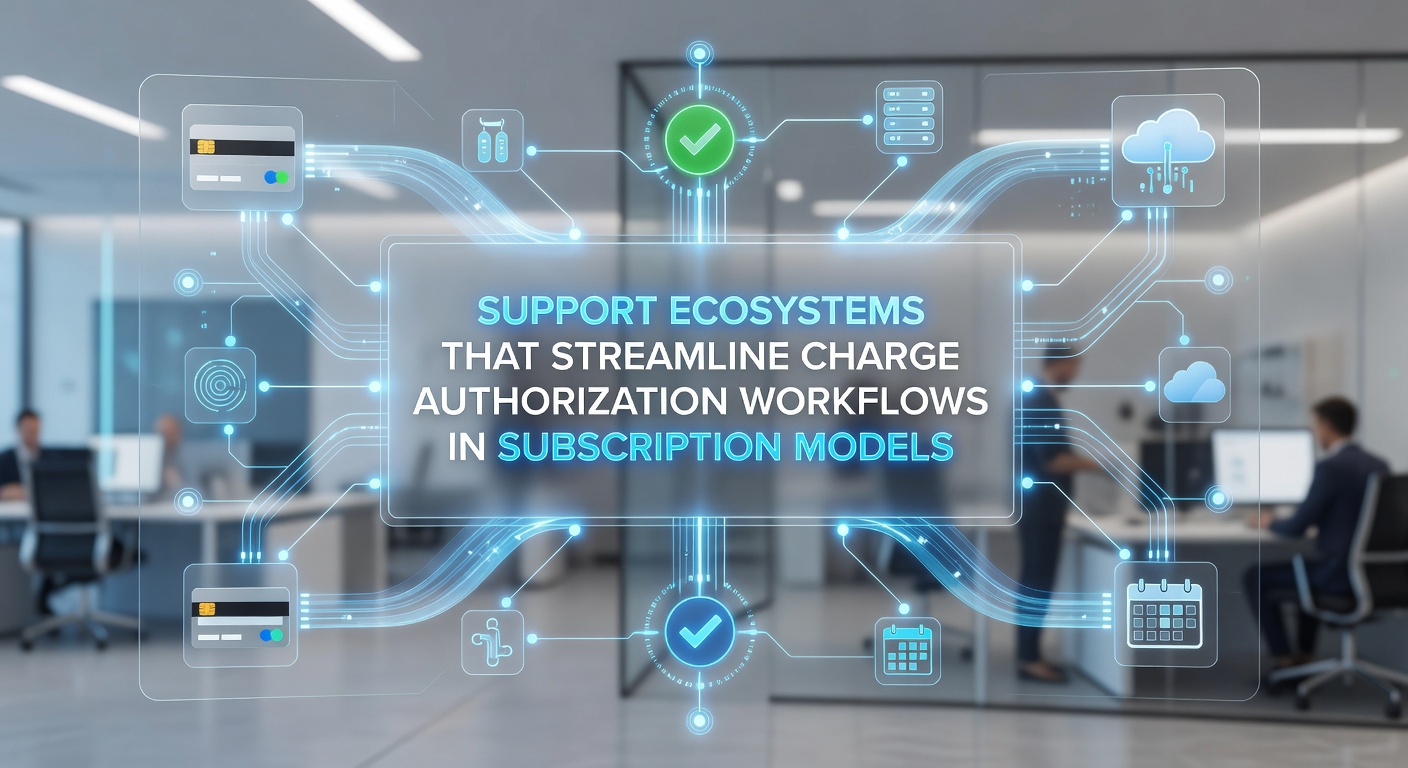
Support ecosystems in subscription billing combine customer service platforms, knowledge bases, and compliance resources to handle charge authorization steps more efficiently than isolated tools alone, and research from the European Central Bank shows these setups reduce processing friction in recurring payment environments across multiple sectors.
Core Elements of Integrated Support Structures
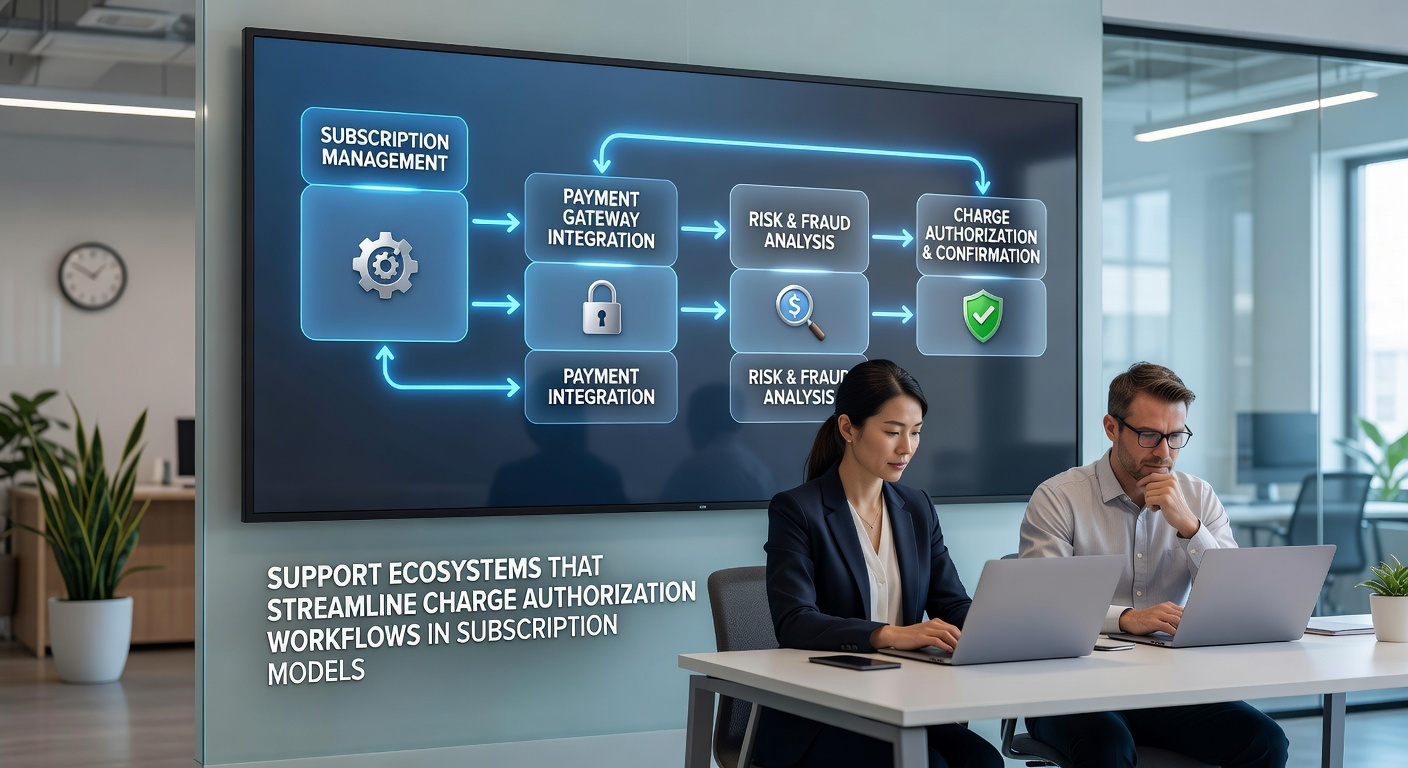
Modern support ecosystems link help desk software directly to payment gateways so that agents gain immediate access to authorization logs, decline codes, and customer account histories without switching between disconnected systems; this integration allows teams to address issues like temporary holds or verification requests in one continuous workflow. Observers note that companies using these linked resources often report faster resolution times because staff members pull relevant data in real time rather than reconstructing details from scattered sources.
Training modules embedded within the ecosystem deliver updates on authorization rules whenever card networks revise their guidelines, and those modules include scenario-based exercises that simulate common subscription decline patterns. Research indicates such ongoing education keeps support personnel aligned with current standards, which helps prevent repeated errors during high-volume billing cycles that occur monthly or quarterly.
Workflow Improvements Through Centralized Resources
When a subscription charge faces authorization challenges, support teams equipped with unified dashboards can initiate verification prompts or guide customers through step-up authentication without restarting the entire process from scratch. Data from payment industry analyses reveals that this approach cuts average handling time by connecting the initial decline notification straight to resolution protocols that have already been tested against similar cases.
Automated routing rules within these ecosystems direct complex authorization queries to specialists who maintain deeper expertise in regional banking requirements, while routine cases stay with frontline agents who follow scripted paths; the result is balanced workloads that prevent bottlenecks during peak renewal periods. Those who have implemented such routing observe smoother handoffs because every participant shares the same updated case notes and prior interaction summaries.
Regional Developments and May 2026 Context
Regulatory adjustments scheduled for implementation in May 2026 across several jurisdictions emphasize stronger consumer protections during recurring authorization attempts, and support ecosystems that incorporate compliance checklists help organizations adapt without disrupting existing subscriber bases. Figures from the Monetary Authority of Singapore highlight how similar preparatory measures in earlier periods led to measurable drops in failed transaction rates when support resources stayed synchronized with policy changes.
Businesses preparing for these updates often embed region-specific guidance into their support portals so agents can reference accurate documentation on the spot rather than searching external sources during live interactions. This preparation proves especially useful for companies operating across borders where card issuer rules differ and quick access to localized instructions becomes necessary.
Practical Examples From Industry Applications
One media streaming service integrated its customer support ticketing system with authorization monitoring tools, which allowed agents to flag and resolve recurring payment blocks before they affected large batches of accounts. The setup created a feedback loop where resolved cases automatically updated shared knowledge articles, and subsequent agents benefited from the accumulated insights during similar situations.
Another organization in the software-as-a-service space deployed scenario libraries within its support platform that walked agents through authorization retries using different payment methods or retry timing strategies. Studies conducted by academic researchers at the University of Toronto found that teams relying on these libraries experienced fewer escalations because agents followed tested sequences rather than improvising responses.
Measurement and Ongoing Refinement
Performance metrics tracked inside support ecosystems include authorization success rates, average time to resolution, and customer effort scores collected after each interaction. Organizations review these indicators on regular cycles to identify which resources need expansion or which decline patterns require new guidance materials, and teh process creates a cycle of continuous adjustment based on actual transaction outcomes.
Collaboration features inside the ecosystems let product teams share upcoming billing changes with support staff ahead of deployment, which gives agents advance notice and prepared responses for anticipated authorization questions. This forward communication reduces surprises during rollout periods and keeps subscriber communications consistent across channels.
Conclusion
Support ecosystems that tie customer assistance resources to charge authorization processes deliver measurable coordination benefits in subscription environments, particularly as regulatory expectations evolve toward mid-2026. Organizations that maintain these connected structures gain reliable access to updated procedures, streamlined case handling, and documented resolution paths that keep recurring billing operations running with fewer interruptions. Continued attention to metric tracking and cross-team information sharing supports further refinements as payment networks and consumer protection rules continue to develop.