8 Jun 2026
Ripple Effects from Support Queries on Transaction Security Protocols in Merchant Payment Systems
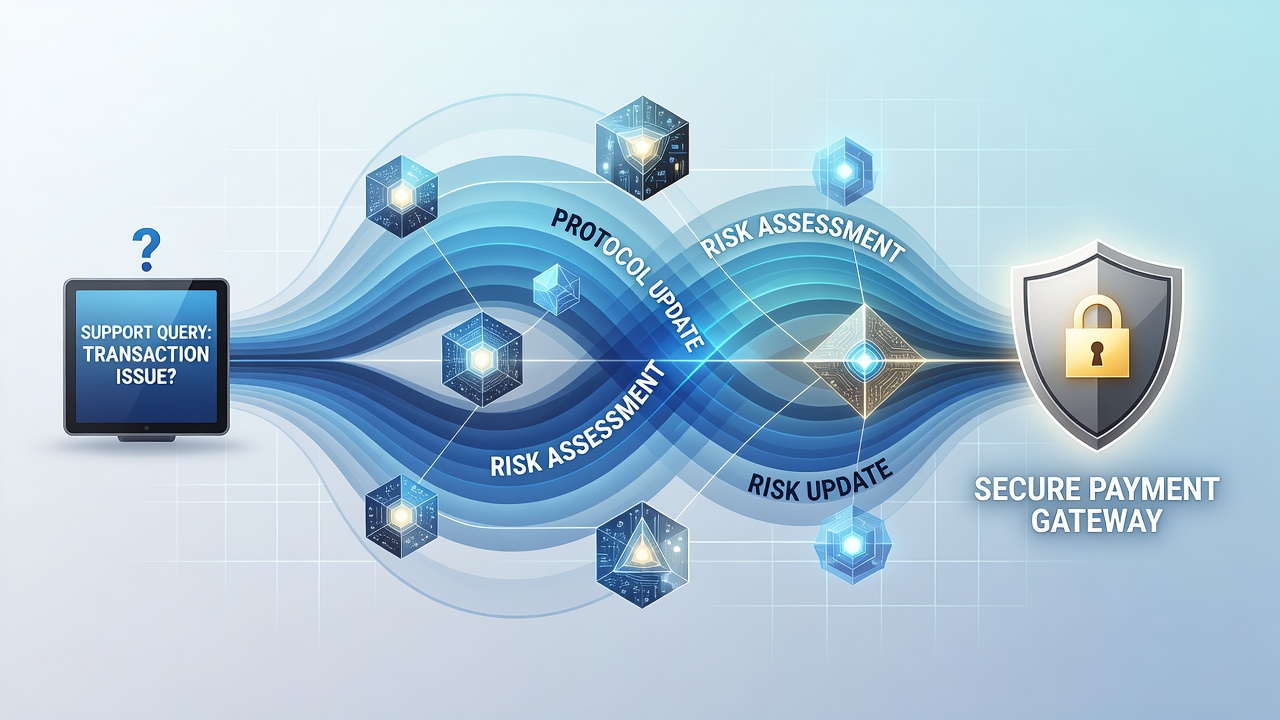
Support queries in merchant payment systems often trigger adjustments to transaction security protocols that extend far beyond the initial customer interaction, and these adjustments reshape how authorization checks, fraud detection layers, and compliance workflows operate across entire networks. When a merchant receives repeated questions about declined transactions or unexpected holds, those exchanges feed directly into data streams that security teams analyze for patterns, which in turn prompts refinements to rule sets governing real-time validation.
Payment processors document each query type and route the details through internal systems, while those same details influence threshold settings for velocity checks and device fingerprinting. Observers note that one merchant handling hundreds of support contacts per week can generate enough aggregated signals to alter protocol parameters for thousands of similar accounts, because the data moves through shared platforms that update centrally.
How Queries Enter Security Workflows
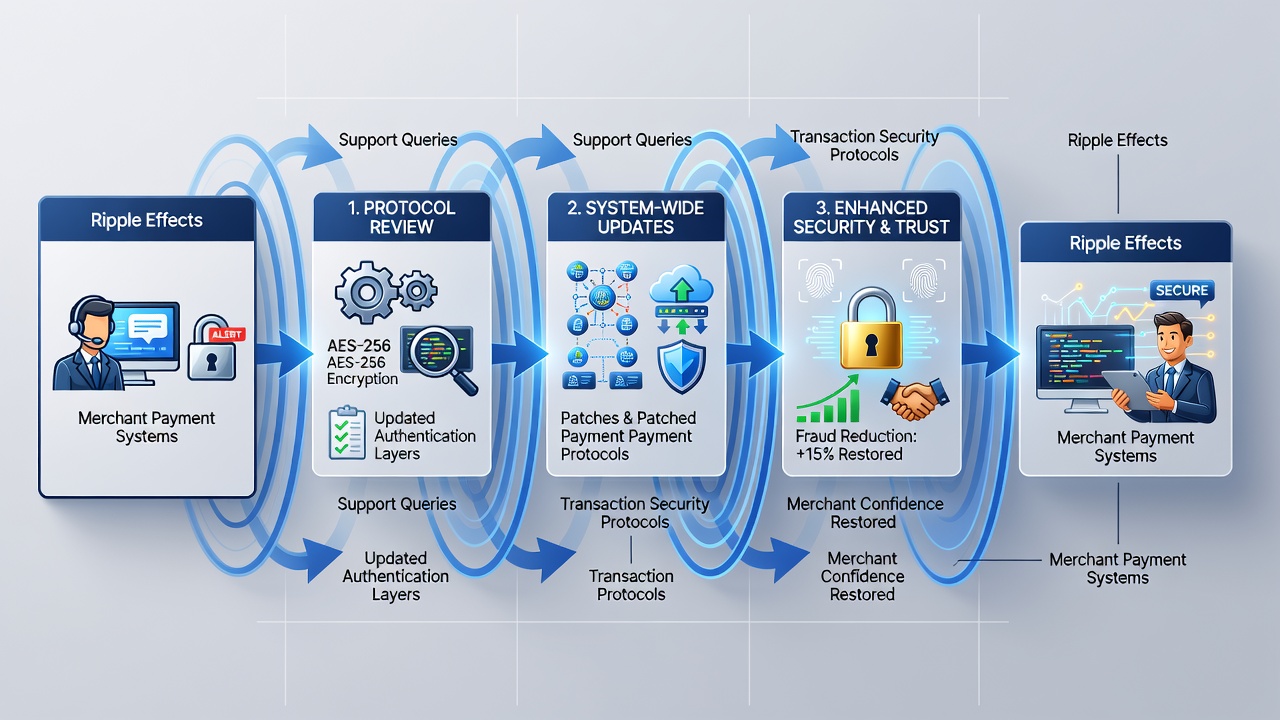
Customer service teams log query details such as payment method, device used, and timing of the transaction, then forward sanitized records to security operations centers where analysts cross-reference them against existing fraud models. This process creates direct input channels that modify risk scoring algorithms, and the modifications affect subsequent authorization decisions even for unrelated merchants on the same gateway. Research from the Federal Trade Commission shows that support-derived data contributes to measurable shifts in approval rates within weeks of widespread query spikes.
Protocol updates triggered this way include changes to address verification service tolerances, adjustments to three-domain secure challenge frequencies, and recalibration of machine learning weights that flag anomalous locations. Those who've studied these flows point out that a single category of query, such as repeated password reset requests tied to card-not-present purchases, can cascade into broader requirements for additional authentication factors across multiple regions.
Propagation Through Shared Infrastructure
Merchants operate within interconnected ecosystems where one processor's security patch distributes to downstream acquirers, and support queries accelerate the timing of these patches. When query volume rises around a particular payment brand or geographic area, gateway providers often deploy updated validation scripts that enforce stricter tokenization or mandate earlier card verification value checks. Data from the European Banking Authority indicates that such coordinated updates occurred in response to support patterns documented through the first half of 2026.
The ripple continues when merchants integrate third-party tools for customer communication, because those tools export query metadata into the same analytics pipelines that security teams monitor. This integration means a support ticket opened in one time zone can influence transaction rules enforced in another, and the effect compounds when multiple merchants experience similar query clusters simultaneously.
Compliance and Audit Implications
Security protocol changes driven by support data must still satisfy standards such as PCI DSS, and auditors review query logs alongside authorization records to confirm that adjustments maintain required control levels. In June 2026, updated guidance from the PCI Security Standards Council emphasized documentation of how customer interactions feed into risk management procedures, which has prompted merchants to maintain clearer trails between support tickets and protocol revisions.
Those responsible for maintaining these trails report that query volume serves as an early indicator for potential protocol gaps, allowing teams to test new rules in sandbox environments before full deployment. The process involves mapping each query category to specific control objectives, then verifying that the resulting protocol changes reduce false declines without increasing exposure to unauthorized activity.
Examples from Industry Practice
One regional retailer experienced a surge in queries about delayed refunds during a holiday period, and the resulting analysis led its processor to tighten refund authorization windows while adding secondary verification for high-value returns. Another case involved a subscription service where repeated billing support contacts prompted recalibration of recurring payment retry logic, which altered the timing and frequency of automated security challenges across the platform.
These examples illustrate how localized support activity produces system-wide effects once the data enters shared security frameworks, and the effects appear in metrics such as authorization rates and dispute volumes tracked by industry reports from organizations like the National Retail Federation.
Conclusion
Support queries function as continuous feedback mechanisms that reshape transaction security protocols through direct data pathways and shared infrastructure updates, and the resulting changes influence authorization decisions, compliance documentation, and fraud detection parameters across merchant payment systems. Observers continue to track how these interactions evolve alongside new regulatory expectations and technology implementations, particularly as documented patterns from early 2026 inform ongoing refinements.