29 May 2026
Mapping Customer Service Pathways to Stronger Fraud Controls in Merchant Credit Card Processing
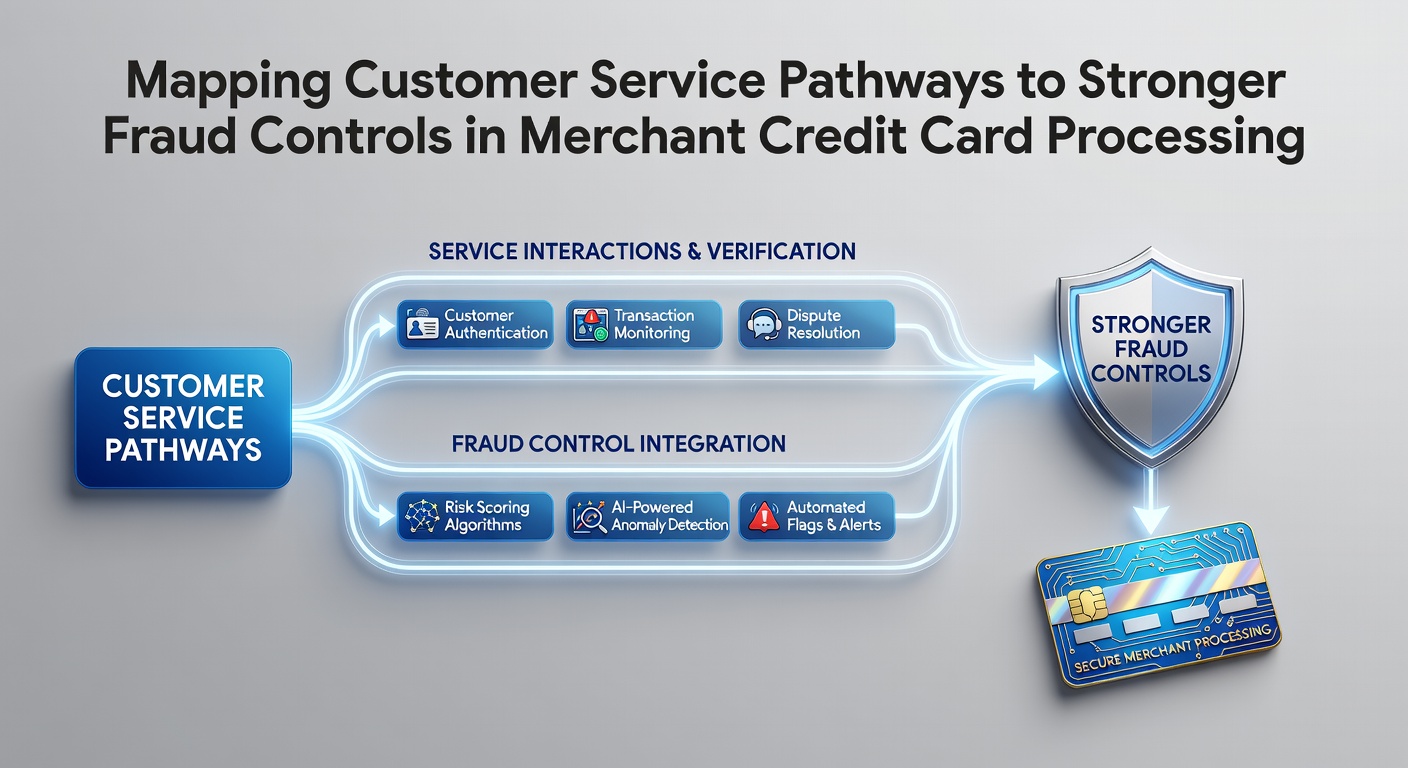
Customer service pathways in merchant credit card processing create structured touchpoints where teams interact with cardholders and merchants, and these same points often reveal patterns that strengthen fraud controls when mapped effectively. Observers note that service logs capture details like transaction disputes, verification requests, and account changes, which connect directly to authorization decisions and risk scoring systems. Research indicates that organizations which align service workflows with fraud monitoring see measurable reductions in unauthorized activity because agents flag anomalies during routine calls rather than after losses occur.
Defining Service Pathways in Credit Card Operations
Service pathways encompass every step from initial merchant onboarding through ongoing support and dispute resolution, and they include inbound calls, chat sessions, email exchanges, and automated responses that route issues to appropriate teams. Those who have studied payment ecosystems observe that mapping these pathways means documenting the sequence of actions, decision trees, and data handoffs so that fraud signals surface at predictable stages. Data from industry reports shows that merchants handling high volumes of recurring transactions benefit when service agents follow standardized scripts that prompt for specific verification details during each interaction.
Experts have found that clear pathway documentation helps compliance teams trace how a single customer inquiry moves from a front-line agent to backend systems that cross-check device fingerprints or IP addresses. In May 2026, several payment processors updated their internal guidelines to require explicit logging of service pathway stages alongside transaction metadata, which allows fraud models to incorporate real-time context from support tickets.
Linking Service Interactions to Fraud Detection Points
Every service contact generates data that can feed into fraud algorithms, and mapping reveals where verification steps already exist or where gaps leave room for exploitation. Researchers discovered that calls about failed authorizations frequently precede attempts to test stolen card details, while account update requests sometimes indicate account takeover attempts. According to the Federal Trade Commission consumer reports, identity-related complaints tied to payment accounts rose steadily through early 2026, underscoring the value of capturing service details before they escalate.
Agents trained to note inconsistencies in caller behavior or mismatched billing information contribute raw observations that automated systems later correlate with velocity checks and geographic anomalies. The process turns routine support into an active layer of defense without adding extra friction for legitimate customers.
Building Effective Mapping Frameworks
Effective frameworks start with process diagrams that list each service touchpoint, the systems accessed, and the fraud-relevant data fields collected at that moment. Teams then overlay risk rules onto these diagrams so that certain flags trigger immediate escalation to specialized review units. Observers note that this approach reduces handoff delays because the pathway already defines who receives the alert and what additional checks follow.
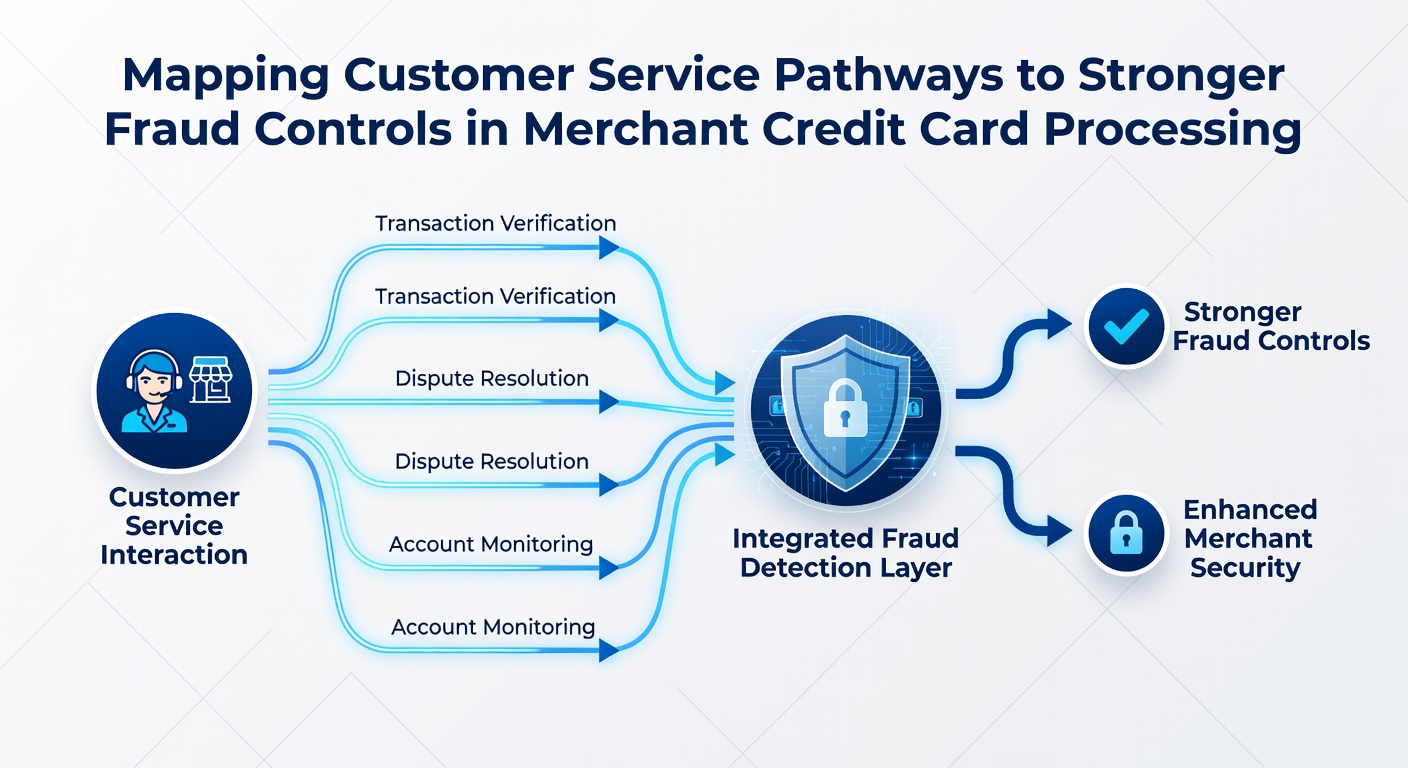
Merchants who implement these frameworks often integrate service platforms with their payment gateways so that transaction history appears alongside the support ticket. This single view lets agents confirm recent activity patterns while speaking with the cardholder, and it supplies fraud teams with enriched context for scoring adjustments. Studies from payment security research groups indicate that such integration cuts average resolution time for flagged transactions by aligning service records with authorization logs in one interface.
Regional Regulatory Influences on Pathway Mapping
Regulatory bodies across regions have issued guidance that encourages tighter connections between customer service records and fraud prevention. The Australian Competition and Consumer Commission has highlighted the importance of transparent record-keeping in its 2025-2026 payments reviews, while Canadian authorities through the Financial Consumer Agency of Canada emphasize consumer verification steps that service teams can document. These approaches differ in emphasis yet share the common thread of requiring auditable pathways that support both dispute resolution and fraud investigation.
Merchants operating across borders must therefore adapt their mapping to satisfy multiple standards without duplicating effort. One practical method involves creating modular pathway templates that accommodate local verification requirements while maintaining a core set of fraud signals collected at every service stage.
Measuring Outcomes from Integrated Pathways
Organizations track metrics such as fraud loss ratios, false-positive rates on declined transactions, and average time from service flag to resolution. Figures from industry analyses reveal that merchants who map pathways comprehensively report lower chargeback volumes because early service interventions catch issues before they become disputed transactions. Those results hold across different merchant categories, including subscription services and one-time purchase models.
Continuous refinement of the maps occurs when teams review closed cases and adjust decision trees based on new fraud typologies. This feedback loop keeps the pathways aligned with evolving threats rather than static process charts.
Conclusion
Mapping customer service pathways supplies merchant credit card operations with a practical method for embedding fraud controls into existing workflows. The approach relies on documented sequences, data integration points, and trained personnel who recognize signals during standard interactions. As payment environments continue to evolve through 2026 and beyond, organizations that maintain these connections between service and security functions position themselves to respond faster to emerging risks while preserving smooth experiences for verified customers.