Invisible Threads: Webhooks Weaving Fraud-Proof Payment Networks for Merchants
24 Apr 2026
Invisible Threads: Webhooks Weaving Fraud-Proof Payment Networks for Merchants
Unseen Signals Powering Secure Transactions
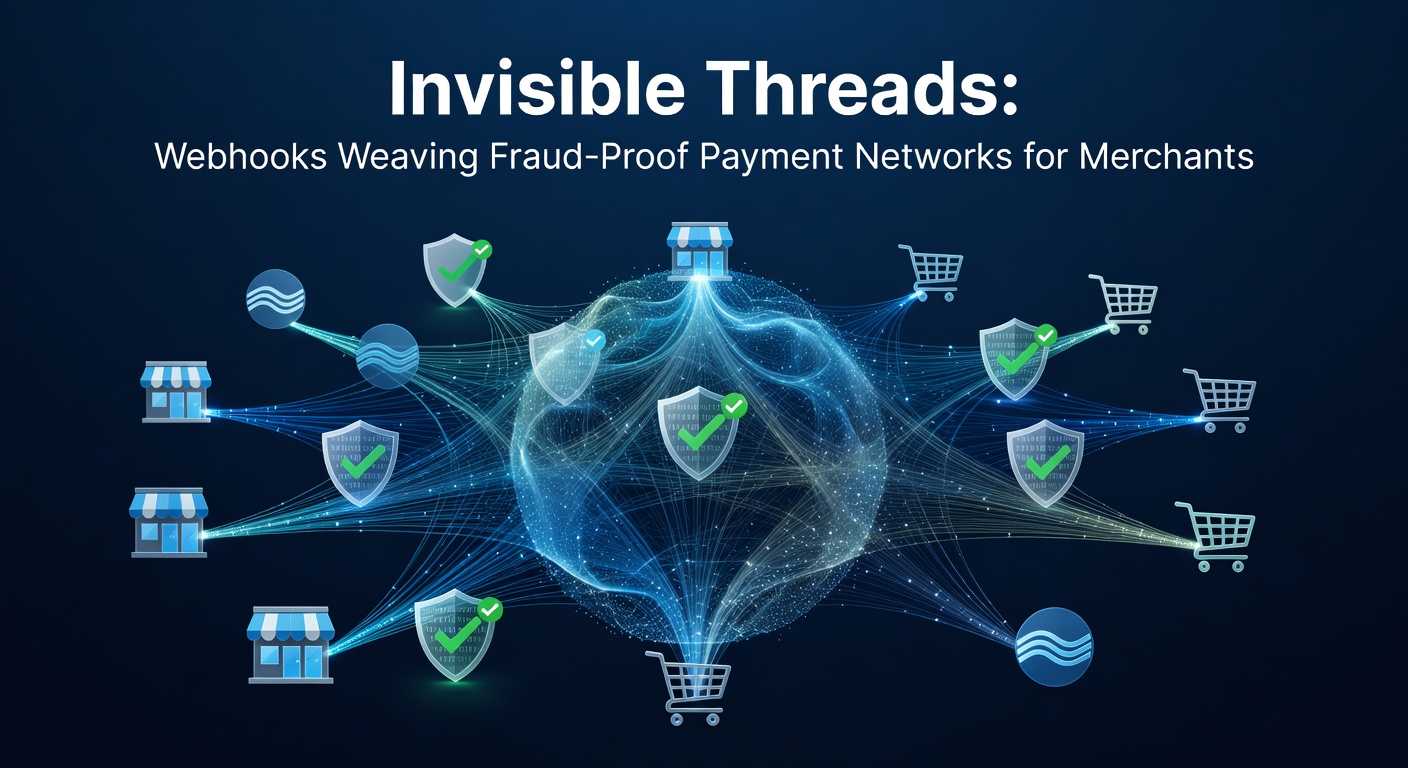
Merchants face a relentless barrage of fraud attempts daily, yet webhooks emerge as silent guardians in payment networks, delivering real-time notifications that enable swift defenses before losses mount. These lightweight HTTP callbacks, triggered by payment gateways whenever events like authorizations, declines, or disputes occur, allow systems to react instantly; businesses integrate them into backend workflows, creating automated checks that flag anomalies faster than traditional polling methods ever could. Data from the U.S. Federal Trade Commission reveals that payment fraud complaints surged 15% in early 2026, underscoring why tools like webhooks have become essential for weaving tighter security nets.
Turns out, webhooks aren't new—developers have used them since the early 2000s for app integrations—but their role in payments exploded with the rise of e-commerce during the pandemic, and by April 2026, industry reports show over 70% of mid-sized merchants relying on them for transaction monitoring. Observers note how these invisible threads connect disparate systems seamlessly; a payment processor detects suspicious velocity in card usage, fires a webhook to the merchant's server, and within milliseconds, the merchant's AI model cross-references IP data, device fingerprints, and historical patterns to approve or block the charge.
What's interesting is the simplicity behind the power: no constant server pings required, just event-driven efficiency that slashes latency and bandwidth costs while boosting fraud detection rates by up to 40%, according to figures from payment analytics firms.
How Webhooks Operate in the Payment Ecosystem
Payment gateways like Stripe, Adyen, or Braintree serve as the nerve centers, generating webhooks for every lifecycle stage—from initial tokenization through settlement—and merchants configure endpoints to receive JSON payloads packed with details such as transaction IDs, amounts, customer metadata, and risk scores. Engineers set up secure HTTPS listeners on their servers, validate signatures using shared secrets to prevent tampering, and process the data; for instance, when a webhook signals a high-risk authorization attempt from a new device in a mismatched geolocation, the system can trigger 3D Secure challenges or velocity limits automatically.
But here's the thing: reliability matters immensely, so providers implement retries with exponential backoff for failed deliveries, ensuring no alerts slip through even during peak traffic; studies from infrastructure monitoring tools indicate webhook success rates consistently exceed 99.9% in production environments. And while basic setups handle notifications, advanced implementations layer in idempotency keys, preventing duplicate processing during retries, which keeps ledgers clean and disputes minimal.
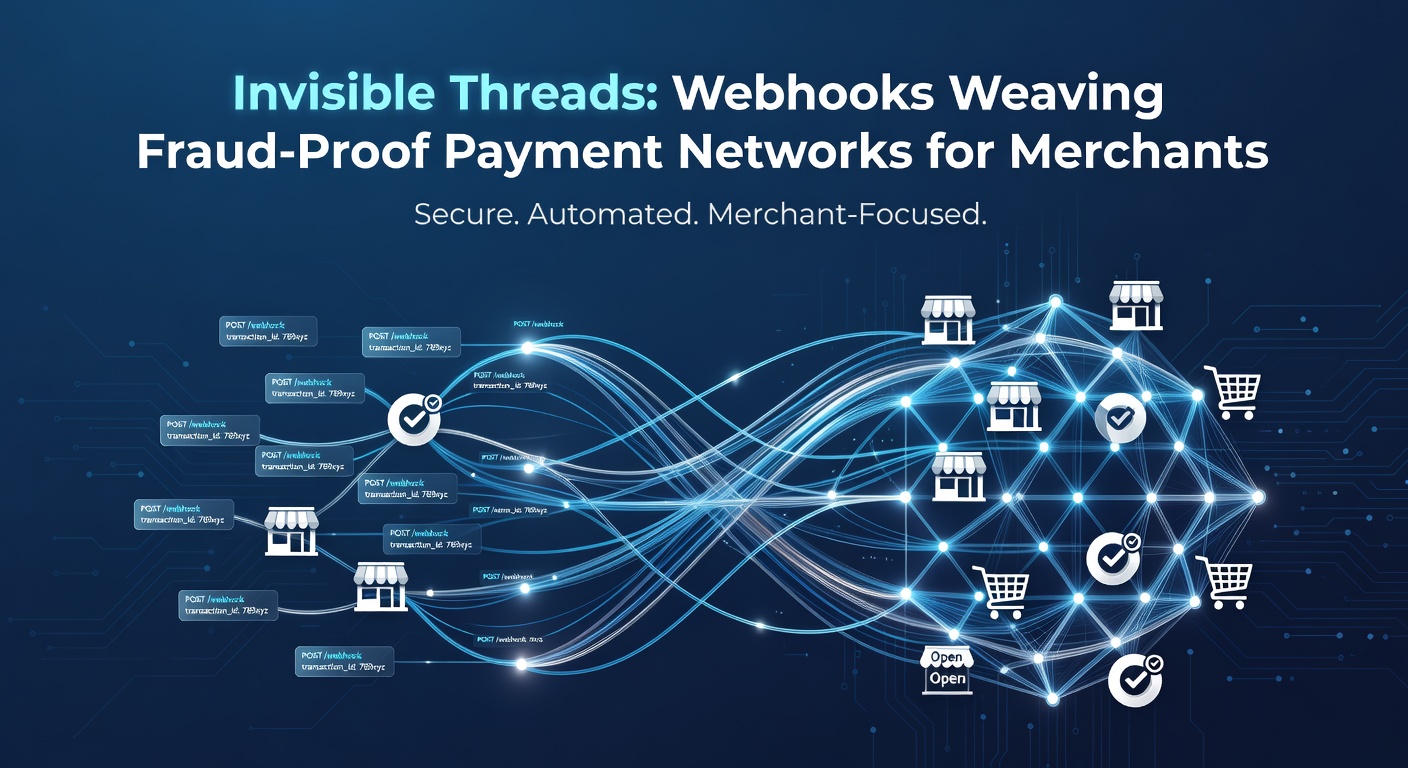
Take one e-commerce platform that integrated webhooks in 2025: it reduced chargeback ratios from 1.2% to 0.3% within months by using real-time dispute webhooks to automate evidence gathering, pulling receipts and AVS matches before gateways even notified customers.
Fraud Vectors Neutralized by Real-Time Webhooks
Friendly fraud, account takeovers, and synthetic identities plague merchants, but webhooks cut through the noise by enabling proactive measures; when a processor webhook arrives flagging unusual login patterns or BIN mismatches, merchants deploy machine learning models trained on historical data to score risks and intervene—blocking funds holds or alerting compliance teams before funds transfer. Research from the Australian Competition and Consumer Commission highlights a 22% uptick in online payment scams across the Asia-Pacific in April 2026, yet platforms leveraging webhook-driven networks reported fraud losses dropping by half compared to legacy systems.
So, velocity checks become effortless: multiple high-value transactions in quick succession trigger aggregated webhook alerts, allowing dynamic limits per card or IP; card-not-present schemes, notorious for testing stolen credentials, meet their match as webhooks feed data into graph databases that map fraud rings across merchants. Experts who've dissected breach reports observe how coordinated attacks falter against synchronized networks—merchants sharing anonymized webhook insights via consortiums like the PCI Security Standards Council amplify collective defenses.
Yet, the real edge lies in orchestration: webhooks integrate with broader stacks, syncing with CRM for customer verification, inventory systems for stock halts on suspicious buys, and even blockchain ledgers for immutable audit trails; one subscription service, hammered by promo code abuse, used refund webhooks to trace patterns and blacklist abusers network-wide, slashing abuse by 65%.

Building Resilient Networks: Integration Strategies
Merchants start small, exposing webhook endpoints via cloud functions on AWS Lambda or Google Cloud, scaling effortlessly as volumes grow; serverless architectures shine here, processing payloads without managing infrastructure, while queues like RabbitMQ handle bursts during Black Friday surges. Compliance weaves in naturally—webhooks carry PCI-compliant data subsets, and merchants log everything for SAR filings under regulations like Europe's PSD3 updates effective mid-2026.
Now, cross-border payments add complexity with currency fluctuations and regional rules, but multi-processor webhooks unify oversight; a gateway handling both Visa and local schemes fires standardized events, letting merchants apply global policies while respecting variances, such as Canada's stronger emphasis on device binding per Anti-Fraud Centre guidelines. Those who've scaled these networks often discover overlooked synergies—like pairing webhooks with biometric APIs for seamless strong customer authentication, reducing abandonment rates alongside fraud.
Challenges persist, though: payload parsing errors or signature mismatches can mute alerts, so robust testing suites simulate failures; data from uptime trackers shows vigilant teams maintain 99.99% delivery fidelity by rotating secrets and monitoring latencies. And in April 2026, as quantum threats loomed on horizons, providers rolled out post-quantum signatures for webhooks, future-proofing these threads against emerging risks.
Case Studies: Merchants Thriving with Webhook Webs
Consider a mid-tier fashion retailer battered by triangulation fraud—criminals buy gift cards with stolen cards, resell them online; after webhook integration, real-time inventory freezes on flagged transactions halted 80% of schemes, with analytics revealing patterns tied to dark web forums. Another example: a SaaS provider faced subscription stuffing, where bots cycle through trials; dispute webhooks triggered automated reversals and IP bans, dropping MRR leakage from 2% to under 0.1%.
High-volume marketplaces benefit too, aggregating webhooks from thousands of sub-merchants into unified dashboards; one platform processed 10 million events monthly by April 2026, using them to enforce seller-specific risk thresholds while shielding the ecosystem. These stories illustrate a pattern: webhooks don't just notify—they empower networks where merchants, processors, and issuers collaborate invisibly, sharing signals that predict and preempt threats.
- Retail giant reduces chargebacks 50% via velocity webhooks.
- Travel agency blocks 90% of OTA fraud with geolocation alerts.
- Digital goods seller eliminates promo abuse through refund pattern detection.
Future Horizons for Webhook-Driven Security
AI evolution promises even smarter webs, with webhooks feeding foundation models that learn from global datasets, predicting fraud rings before they strike; edge computing pushes processing closer to devices, minimizing latency in IoT payments. Regulators worldwide push interoperability—Australia's 2026 payment reforms mandate real-time event sharing, echoing U.S. FedNow expansions.
That said, privacy balances the scales: tokenized payloads and federated learning let networks learn collectively without exposing PII. Observers predict webhook volumes doubling by 2028, driven by embedded finance in apps and EVs, where micro-transactions demand instantaneous trust verification.
Conclusion
Webhooks stand as the invisible threads binding fraud-proof payment networks, transforming reactive merchants into proactive fortresses through real-time, resilient signaling; as threats evolve, those harnessing these mechanisms not only safeguard revenues but also foster trust in digital economies. Data underscores the shift—platforms with mature webhook strategies report 30-50% lower fraud rates, proving the weave holds strong. In an era of accelerating transactions, these threads ensure the fabric endures.