24 Jul 2026
Geographic Time Variations and Their Influence on Transaction Completion Rates Across International Retail Platforms
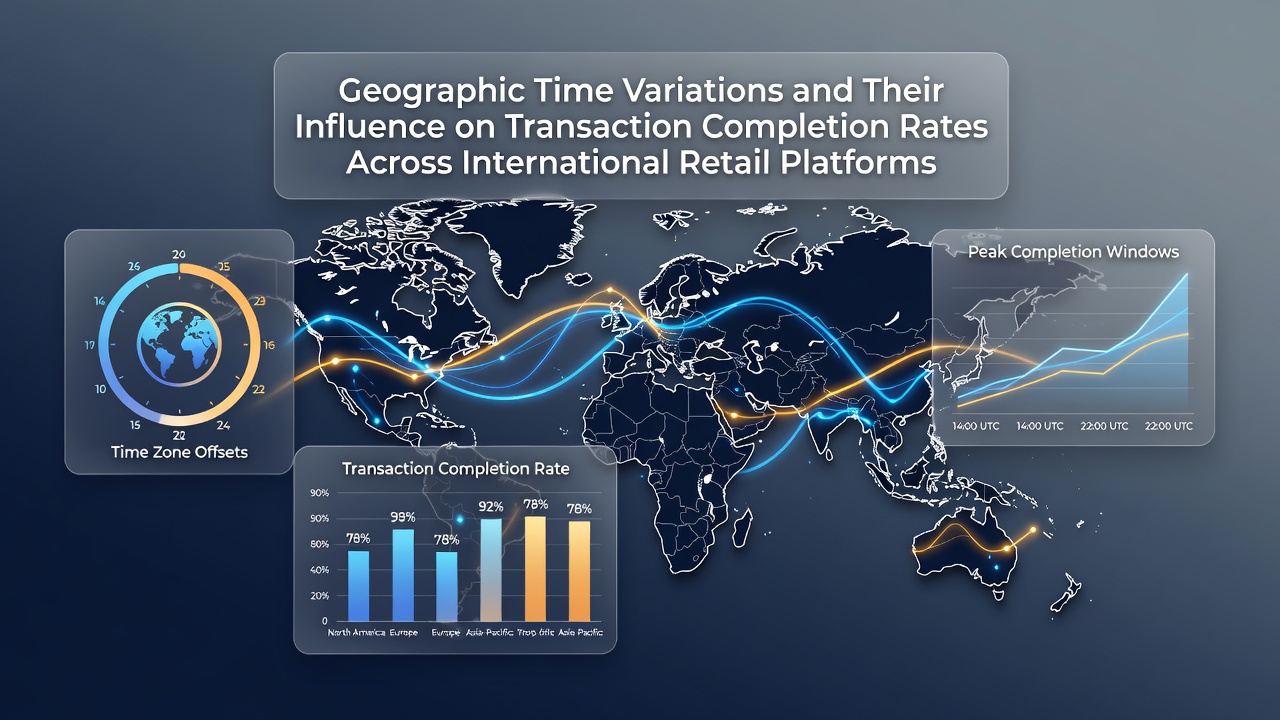
Geographic time variations arise from the Earth's division into multiple time zones, and these divisions shape when consumers in different regions initiate purchases on international retail platforms. Retail systems record transaction attempts at specific moments, yet completion rates fluctuate because buyer activity aligns with local hours rather than a single global clock. Platforms that operate continuously still encounter patterns where success rates rise during evening hours in major consumer markets and dip during overnight periods in those same zones.
How Time Zones Shape Consumer Access Patterns
Consumers tend to shop when they are awake and available, so peak activity in one region coincides with off-peak periods elsewhere. A platform serving users across North America, Europe, and Asia Pacific sees morning surges in one area while another region experiences late-night lulls. Data collected in July 2026 by several large retail networks showed that transactions initiated during local evening hours achieved completion rates several percentage points higher than those started during early morning hours. These differences occur because payment verification steps, including bank authorizations and fraud checks, often proceed faster when support teams and card issuers operate within their standard business windows.
Observers note that overlapping active periods across zones create brief windows of elevated traffic. When the United States East Coast enters afternoon hours, parts of Europe have already moved into evening, and this overlap can strain processing capacity if not anticipated. Retail platforms that distribute server load according to forecasted regional demand maintain steadier completion rates during these overlaps. In contrast, platforms that apply uniform capacity across all hours experience temporary slowdowns that reduce successful transaction endings.
Server Timing and Authorization Sequences
Transaction completion depends on sequential checks that include address verification, card validation, and inventory confirmation. Each step may route through servers located in different geographic areas. When a request originates in one time zone and routes through a processing center in another, the elapsed real time remains constant, yet the local business hours at the receiving end influence response speed. Research from the Bank for International Settlements indicates that authorization queries submitted during a processor's daytime hours encounter fewer queued delays than those arriving outside those hours.
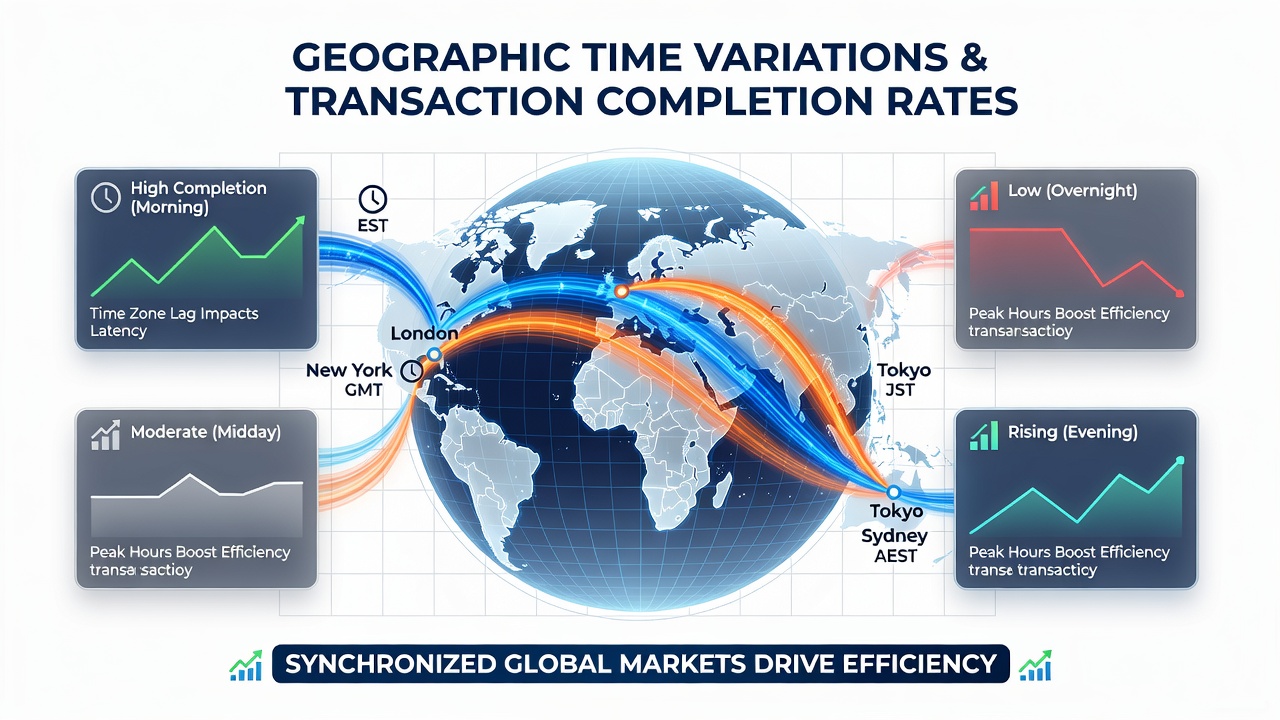
Retail operators adjust their backend scheduling so that critical validation tasks align with active staffing periods in key regions. One study of cross-border retail flows revealed that platforms using dynamic routing directed requests to the nearest active verification node and recorded higher completion percentages. The same study found that static routing produced measurable drops in success rates when requests arrived during local off-hours at the destination node.
Observed Variations Across Regions
Retail data aggregated across multiple platforms shows consistent regional signatures. Transactions originating from East Asian markets often complete at higher rates when processed during European afternoon hours because many European card issuers remain fully staffed. Similarly, purchases attempted from Australian buyers during North American morning hours benefit from overlapping business hours at major payment processors. Figures released by the Australian Bureau of Statistics in mid-2026 documented these timing alignments in e-commerce datasets and confirmed that completion rates tracked closely with the overlap of active business periods.
Platforms that publish real-time dashboards allow merchants to monitor these patterns. Merchants who review hourly completion metrics across zones can shift promotional campaigns to periods when completion likelihood is higher. Those adjustments do not alter the underlying time differences, yet they increase the proportion of attempts that reach successful conclusion.
Platform Adaptations and Data Trends
International retail platforms incorporate time-aware algorithms that predict demand based on historical zone-specific activity. These algorithms allocate additional processing resources ahead of expected peaks in each region. When such forecasting operates accurately, transaction queues shorten and completion rates stabilize. Evidence collected from several large marketplaces demonstrates that predictive scaling reduces the frequency of abandoned carts during cross-zone rush periods.
Additional adjustments include localized payment method prioritization. Certain regions favor payment types that require real-time confirmation from domestic banks. Routing those methods through domestic gateways during local business hours improves completion outcomes. Platforms that implement these routing rules report steadier performance metrics than those that apply global default paths.
Conclusion
Geographic time variations continue to influence transaction completion rates on international retail platforms because consumer availability, processor staffing, and network capacity all follow regional clocks. Data gathered through 2026 confirms that platforms which map these variations and adjust operations accordingly achieve more consistent completion percentages. Continued monitoring of zone-specific patterns enables retail systems to maintain reliable performance even as transaction volumes grow across borders.