22 May 2026
Endpoint Connections and Their Influence on Protective Measures for Business Revenue Cycles
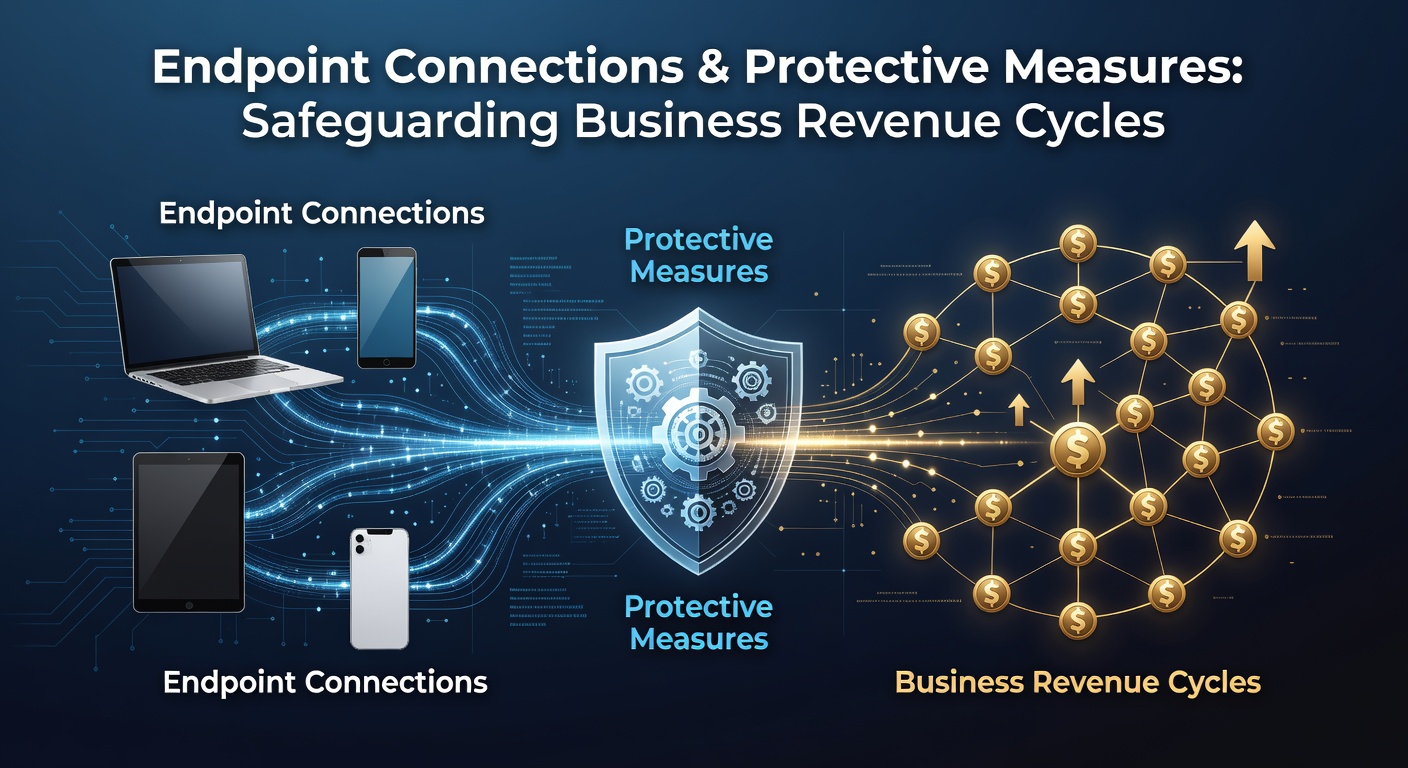
Endpoint connections form the backbone of modern payment infrastructures, linking merchant systems to gateways, processors, and financial institutions through precisely defined interfaces that handle authorization requests, data exchanges, and transaction confirmations. These points of interaction determine how revenue flows through business cycles while incorporating layers of verification that reduce exposure to unauthorized activity and processing errors.
Defining Endpoint Connections in Revenue Protection Contexts
Researchers describe endpoint connections as the specific URLs, APIs, and protocols that transmit sensitive payment data between parties, and data from industry reports shows these pathways directly shape the effectiveness of fraud filters and compliance checks. When endpoints maintain consistent encryption standards and authentication protocols, they support real-time validation steps that catch discrepancies before funds move, whereas inconsistent configurations can create gaps where revenue leakage occurs through declined transactions or disputed charges.
Studies conducted by academic teams at institutions across North America and Europe indicate that businesses relying on well-documented endpoint structures experience fewer interruptions in recurring billing sequences. The connections enable automated retries and status updates that keep subscription models operational without manual intervention, and this continuity proves essential for maintaining steady cash inflows throughout monthly or annual cycles.
Impact on Authorization Workflows and Fraud Mitigation
Endpoint connections influence protective measures by serving as the delivery mechanism for risk signals such as device fingerprints, IP geolocation, and behavioral patterns. Payment processors use these data points arriving at defined endpoints to apply scoring models that approve legitimate transactions while blocking suspicious ones, and figures from regulatory analyses in Canada and Australia reveal measurable declines in chargeback ratios when endpoint traffic undergoes strict schema validation.
Observers note that standardized endpoint responses allow downstream systems to trigger immediate holds or additional verification prompts, which protects revenue by preventing funds from reaching accounts tied to high-risk activity. In practice, one documented case involved a European retailer that restructured its payment endpoints in early 2025, resulting in improved authorization success rates during peak sales periods without increasing exposure to unauthorized use.
Integration with Broader Security Frameworks
Endpoint architecture intersects with tokenization services and multi-factor authentication layers, creating a network where each connection point reinforces the next. Data indicates that organizations adopting unified endpoint management platforms in 2026 report enhanced visibility into transaction paths, which supports quicker identification of anomalies that might otherwise erode revenue over repeated billing periods. This visibility extends to monitoring latency and error rates, both of which affect customer retention when payment failures accumulate.
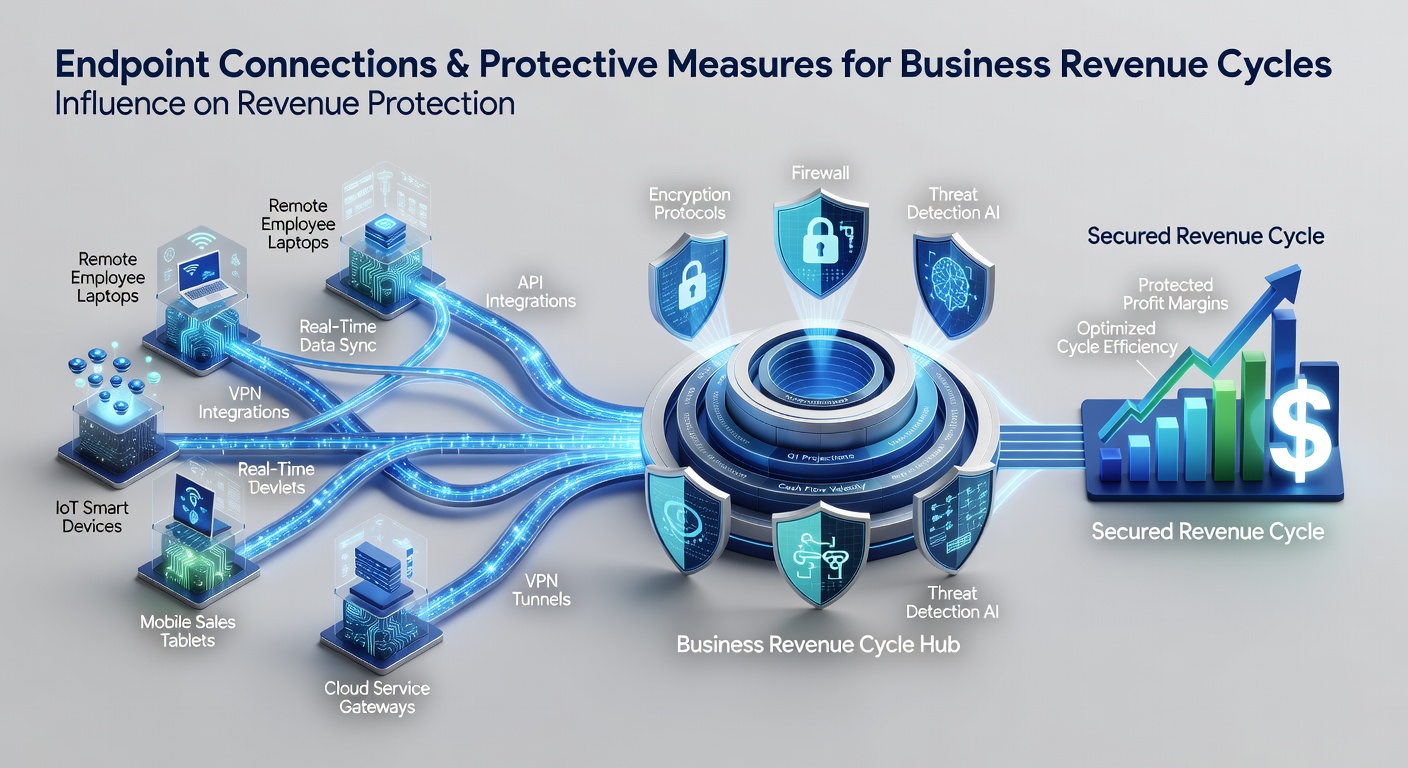
What's interesting is how regulatory updates scheduled for implementation around May 2026 emphasize stronger endpoint authentication requirements, including mandatory certificate pinning and dynamic token rotation. These changes, drawn from frameworks promoted by bodies such as the Federal Trade Commission and similar agencies in the Asia-Pacific region, aim to standardize protections across borders and reduce cross-jurisdictional vulnerabilities that impact international revenue streams.
Case Examples from Industry Implementations
Take one logistics company operating across multiple continents that updated its endpoint definitions to include granular logging of each authorization attempt. The adjustments allowed the firm to correlate failed payment attempts with specific user behaviors, leading to refined rules that preserved revenue while maintaining compliance. Similar patterns appear in reports from research groups tracking subscription-based services, where endpoint reliability correlates with lower involuntary churn rates caused by payment friction.
Another instance involves a software-as-a-service provider that mapped its entire revenue cycle onto a single set of monitored endpoints. This approach facilitated automated reconciliation processes that flagged discrepancies within hours rather than days, shortening the window during which disputed amounts could affect cash flow projections. Evidence from these implementations suggests that endpoint clarity reduces the administrative burden associated with revenue recovery efforts.
Future Developments and Ongoing Monitoring
As businesses prepare for the May 2026 regulatory shifts, attention turns toward endpoint testing suites that simulate various attack vectors before live deployment. These suites, supported by tools from industry consortia, help verify that protective measures function as intended across different transaction volumes and geographic regions. Continuous monitoring of endpoint performance also feeds into predictive analytics that forecast potential revenue impacts from emerging threat patterns.
Academic papers published in recent quarters highlight the role of machine learning models trained on endpoint traffic data, which refine detection thresholds over time and adapt to seasonal fluctuations in purchasing behavior. Such adaptations maintain protective integrity without imposing blanket restrictions that could suppress legitimate sales activity.
Conclusion
Endpoint connections serve as critical control points that shape how protective measures operate within business revenue cycles, influencing everything from initial authorization success to long-term dispute resolution outcomes. Organizations that treat these connections as strategic assets rather than technical details position themselves to sustain consistent inflows while aligning with evolving compliance expectations. Ongoing refinement of endpoint standards, combined with data-driven oversight, continues to define effective revenue protection strategies across sectors.