Decoding Chargeback Disputes in Recurring Payments: Gateway Tools That Turn the Tide
22 Apr 2026
Decoding Chargeback Disputes in Recurring Payments: Gateway Tools That Turn the Tide
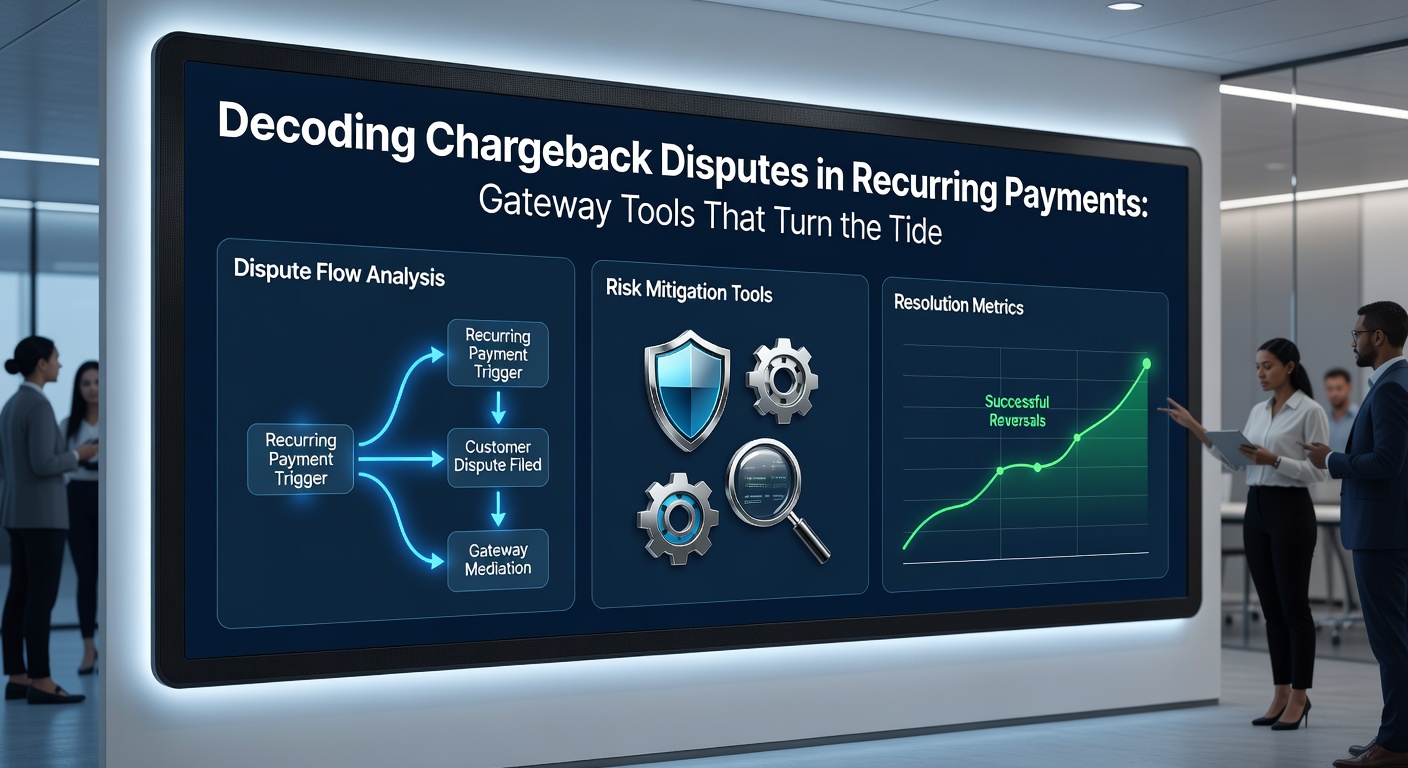
Unraveling Chargebacks in the World of Subscriptions
Chargebacks hit recurring payments hard, especially since subscriptions keep pulling funds month after month, and customers sometimes forget or regret those ongoing charges; merchants face disputes where cardholders claim unauthorized transactions, even when everything traces back to a legit initial signup. Data from the Nilson Report reveals that recurring billing accounts for over 40% of all chargebacks in e-commerce, with friendly fraud—where users dispute valid charges—making up nearly two-thirds of those cases. Observers note how this pattern plays out across industries like streaming services, SaaS platforms, and gym memberships, where one forgotten cancelation spirals into a full-blown reversal.
But here's the thing: not all disputes stem from shady tactics, although those grab headlines; legitimate gripes arise too, from failed deliveries in subscription boxes or billing errors during renewals, and processors classify them under reason codes like 13.1 for merchant errors or 10.4 for fraud. Researchers who've tracked Visa and Mastercard data find that U.S. merchants alone absorbed $32 billion in chargeback losses last year, a figure climbing steadily as digital wallets proliferate and consumers wield easier reversal powers through apps.
Why Recurring Models Breed Disputes
Take subscriptions: customers sign up impulsively for that first month, then life intervenes—budgets tighten, interests shift—and instead of canceling properly, they dispute the next pull, citing "I don't recognize this" even though records show consent. Studies from Consumer Financial Protection Bureau reports indicate this "subscription fatigue" drives 25% of disputes, while technical glitches, like mismatched billing descriptors, fuel another chunk. And in regions like Australia, where ASIC guidelines emphasize clear disclosure, merchants still trip over vague terms, leading to waves of Code 11 disputes for duplicate processing.
What's interesting is how global variations spice things up; EU merchants grapple with PSD2's strong customer authentication mandates, which ironically boost chargeback volumes by 15% post-implementation because stricter verifications sometimes flag legit recurring auths as suspicious. Those who've analyzed patterns across borders observe that peak dispute seasons align with holidays—think January gym regrets or post-Black Friday streaming purges—turning what should be steady revenue into a battlefield.
The Heavy Toll on Merchants
Each chargeback packs a punch: processors slap $15 to $100 fees per incident, claw back the transaction amount plus shipping costs, and levy penalties if volumes exceed thresholds like 1% of total volume; repeat offenders risk velocity programs that hike rates or freeze accounts. Figures from industry trackers show small SaaS firms losing up to 5% of MRR to these hits, while larger players like fitness chains report quarterly write-offs in the millions. Yet the hidden cost bites deeper—reputation dings on networks lead to higher interchange fees down the line, creating a vicious cycle that's tough to break.
Observers point out how this disproportionately hammers high-LTV subscription models, where acquiring a customer costs $200 but one dispute erases months of profit; banks side with cardholders 80% of the time initially, forcing merchants to fight representments with stacks of evidence, a process eating 4-6 hours per case manually.
Gateway Tools Stepping Up to the Plate
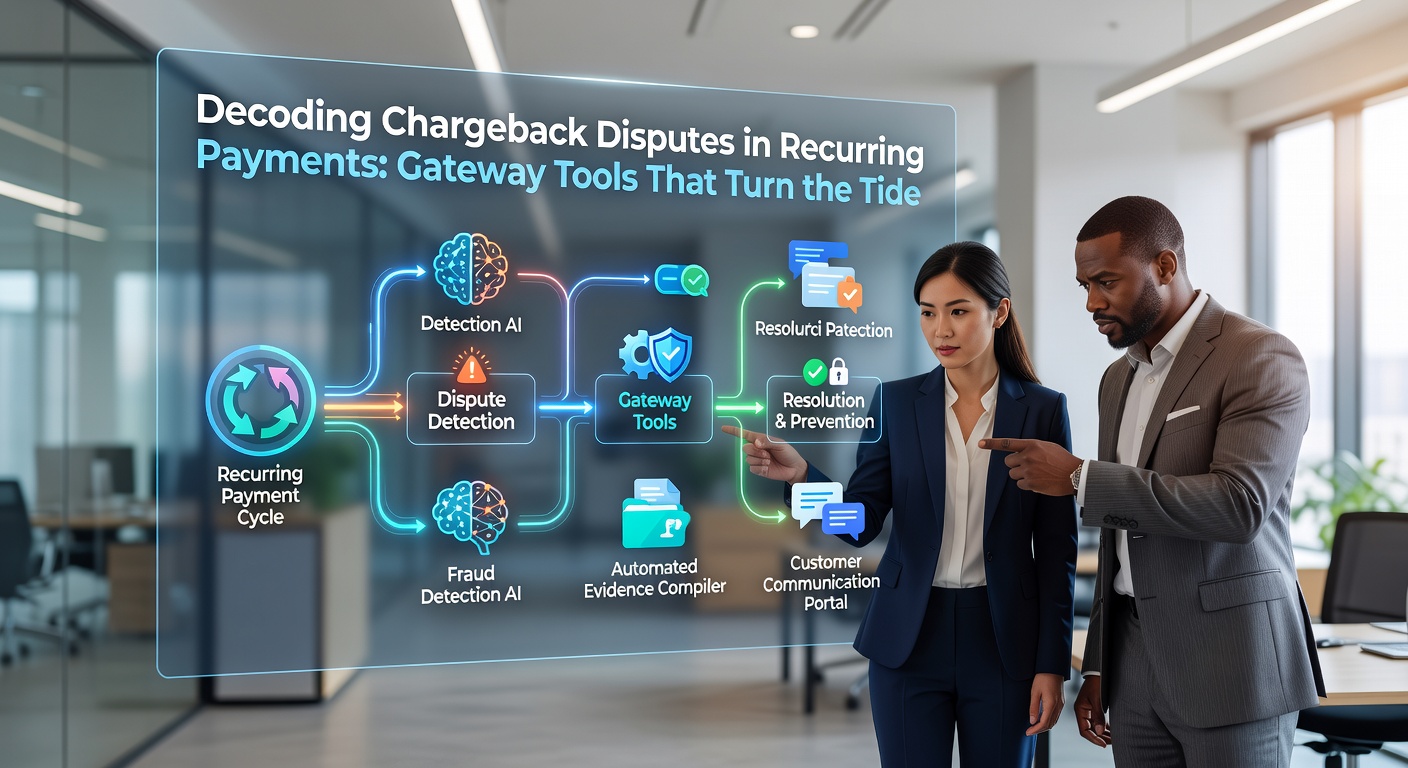
Payment gateways now arm merchants with automated shields, starting with real-time monitoring that flags risky recurring auths before they bill—think AI scanning for velocity spikes or IP mismatches tied to known fraud rings. Tools like dynamic descriptor updates let gateways push custom billing labels per cycle, slashing "doesn't recognize" claims by 30%, according to processor benchmarks. And here's where it gets interesting: prevent tools integrate with CRM systems, auto-sending dunning emails before disputes brew, while machine learning models predict chargeback likelihood with 85% accuracy, pausing suspicious pulls on the spot.
Automated Dispute Machines
Representment automation changes everything; gateways compile evidence packets—receipts, IP logs, consent forms—in seconds, bundling them for network submission and boosting win rates from 20% to 60%. One study from a major processor revealed SaaS providers using these cut losses by 45%, as bots match disputes to exact transaction fingerprints, dodging manual errors that doom half of DIY fights. Semicolons link these wins to pre-arbitration alerts, where gateways negotiate directly with issuers, settling 40% out of court.
Evidence Lockers and Compelling Proof
Advanced gateways maintain tamper-proof digital trails for every subscription signup, timestamping video proofs of consent or clickwrap agreements, which networks now mandate under updated rules; this turns "he said, she said" into ironclad defenses. Experts who've dissected win data note how portals with OCR tech scan customer comms automatically, extracting admissions like "yes, I forgot to cancel," flipping cases overnight.
But the rubber meets the road with multi-network integrations—Visa’s VCR tools, Mastercard’s EDMP—embedded directly, streamlining from alert to filing; Canadian merchants, for instance, leverage Interac’s dispute hubs alongside these for cross-border edge.
AI and Rules Engines in Action
Rules-based engines let businesses tweak thresholds, like blocking rebills post a failed payment attempt, while AI clusters fraud rings from dispute patterns, blacklisting cohorts proactively. Data indicates platforms deploying these see 50% drops in inbound disputes, as predictive scoring feeds back into underwriting for cleaner customer pools from the start.
Case Studies: Merchants Turning Disputes Around
Consider a mid-sized meal kit service hammered by 2% chargeback ratios; they switched to a gateway with auto-representment, watching wins climb to 65% within quarters, reclaiming $150K annually—evidence bundles proved consent via recorded calls, silencing "unauthorized" claims cold. Another tale unfolds with a VPN provider facing EU PSD2 woes; gateway AI rerouted high-risk recurring auths to 3DS prompts, slashing disputes 35% while maintaining conversion rates.
And in fitness apps, where churn fuels fraud, one operator used gateway dashboards to segment disputers, offering refunds proactively to low-LTV users but fighting high-value ones tooth and nail; results showed a 28% net revenue lift. These stories highlight how tools don't just react—they reshape billing hygiene, with A/B tests revealing optimal descriptor tweaks that halve recognition disputes overnight.
Best Practices Grounded in Data
Merchants thrive by layering defenses: crystal-clear cancellation portals reduce "cancelled but still charged" by 40%, per processor logs; pairing that with gateway alerts creates a flywheel where disputes drop before filing. Those who've fine-tuned find value in quarterly audits of reason codes, tweaking auth flows accordingly—say, capping rebill attempts at three to dodge duplicates. Now, with April 2026 looming, Visa's refreshed liability shifts demand even tighter recurring consent proofs, pushing gateways to evolve faster; early adopters report prepping with compliant toolkits yields 20% better network standings.
Yet success hinges on integration depth—gateways syncing with accounting software auto-match disputes to ledgers, streamlining AR recovery; it's not rocket science, but consistent execution separates survivors from the stung.
Conclusion
Chargeback disputes in recurring payments remain a persistent drag, fueled by forgetful consumers and fraudsters alike, but gateway tools— from AI predictors to automated evidence vaults—equip merchants to push back effectively, reclaiming revenue and stabilizing cash flow. Data underscores the shift: win rates doubling, losses halving for those leveraging these innovations, even as 2026 regulations tighten the game. Observers agree the tide turns decisively for businesses that treat disputes not as inevitabilities, but as battles won through smart tech; the writing's on the wall—adapt now, or pay later.