26 Jun 2026
Bridging Knowledge Gaps in Payment API Usage to Strengthen Secure Transaction Chains for Recurring Merchant Charges
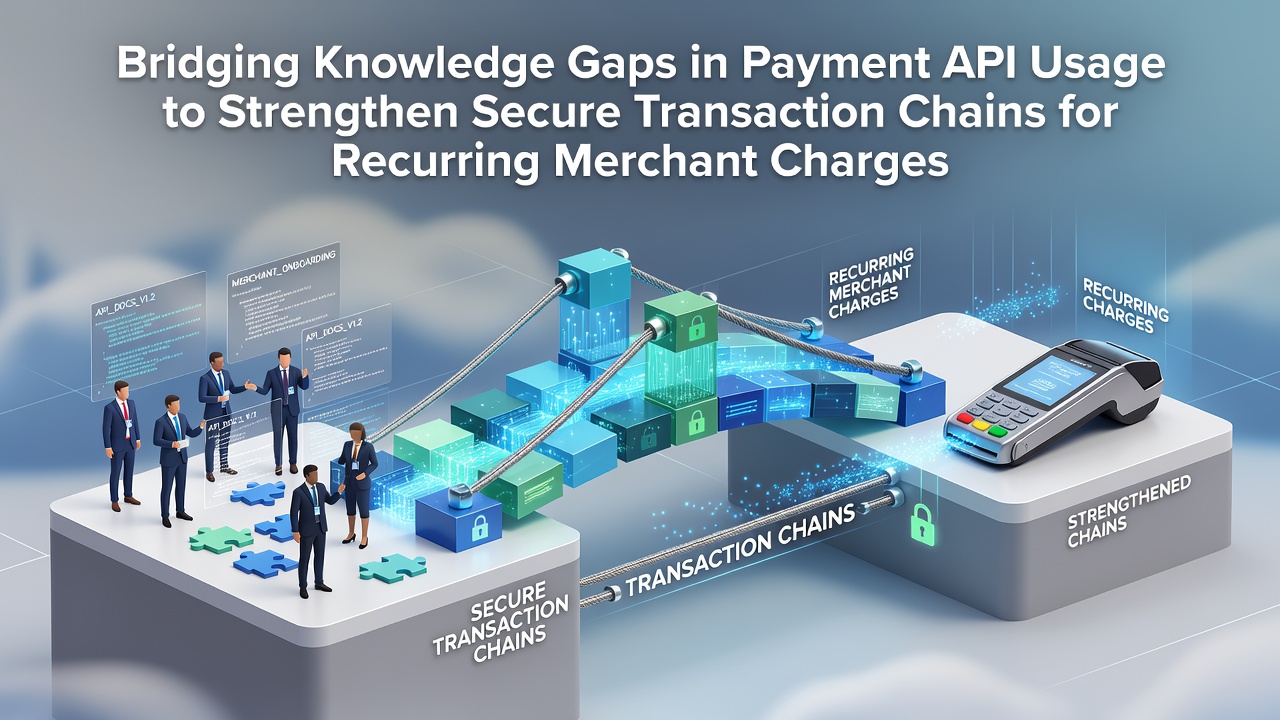
Merchants handling recurring charges often encounter situations where incomplete understanding of payment API mechanics leads to vulnerabilities in transaction flows, and researchers have documented these patterns across multiple industries since the early 2020s. Data from industry reports indicates that gaps in API knowledge contribute to authorization failures and increased exposure during subscription billing cycles, while organizations that invest in targeted education see measurable improvements in chain integrity. Observers note that many teams focus on basic integration yet overlook nuances like idempotency keys, retry logic, and token lifecycle management, all of which directly influence security outcomes.
Core Areas Where Knowledge Shortfalls Appear
Experts have identified several recurring themes in API usage that affect secure transaction chains, particularly around handling variable billing events and maintaining continuity when network conditions fluctuate. One study revealed that teams frequently underutilize webhook configurations for real-time status updates, which leaves gaps in monitoring authorization sequences for monthly or quarterly charges. Those who've examined merchant operations find that insufficient grasp of rate limiting and error code hierarchies can cascade into declined transactions, whereas proper configuration supports smoother validation across high-volume cycles. According to figures from payment system analyses, these shortfalls become pronounced during peak periods when API endpoints experience elevated traffic.
Another dimension involves compliance layers embedded in API calls, and evidence suggests many operators miss opportunities to align their implementations with evolving standards that protect recurring flows. Researchers discovered that incomplete documentation review often results in missed parameters for SCA requirements, especially as frameworks update ahead of deadlines like those scheduled for June 2026 in several jurisdictions. People who've audited these systems report that bridging such gaps through structured workshops strengthens the overall resilience of credit card processing pipelines without requiring wholesale system overhauls.
Implementation Patterns That Close Gaps
Organizations that address knowledge shortfalls systematically tend to adopt layered training approaches combining API sandbox simulations with live scenario testing, and this combination helps teams internalize secure practices for recurring merchant charges. Data shows that incorporating case-based learning around failed authorization chains reduces repeat errors by highlighting how specific endpoint calls interact with backend risk engines. What's interesting is how cross-functional sessions involving developers and finance staff uncover hidden disconnects that single-department reviews miss, leading to more robust transaction validation protocols.
External resources play a supporting role here, and one notable reference comes from the Federal Reserve's examinations of payment infrastructures which outline best practices for API-driven billing stability. Teams applying these insights often refine their retry mechanisms and status polling intervals, creating tighter linkages between initial charge attempts and subsequent confirmations. Meanwhile, academic papers from institutions like the University of Toronto's payment technology research group have explored similar dynamics in Canadian markets, emphasizing the value of continuous learning modules that adapt to API version changes.
Measuring Progress in Secure Chains
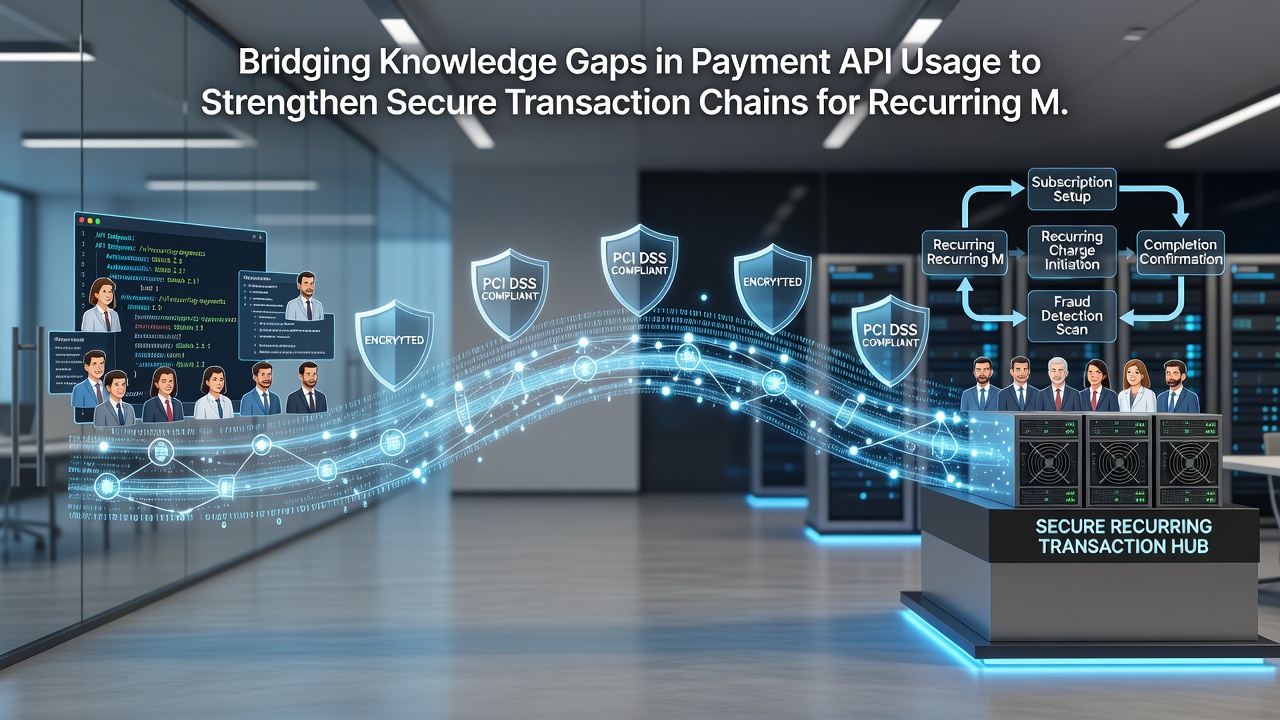
Quantifiable metrics help track whether knowledge interventions translate into stronger transaction security, and metrics tracked by gateway providers include authorization success rates alongside fraud incident logs. Evidence suggests that merchants closing API literacy gaps experience fewer disruptions in recurring sequences because staff better anticipate edge cases such as partial captures or subscription modifications mid-cycle. Those monitoring these indicators note consistent patterns where education correlates with reduced manual intervention needs during high-volume periods.
Collaboration between merchants and API vendors further accelerates gap closure through shared documentation portals and certification programs, which standardize terminology and expected behaviors across different platforms. Research indicates this partnership model proves especially effective when addressing region-specific regulations that influence how recurring charges route through international networks. Observers point out that sustained focus on these areas supports ongoing stability rather than one-time fixes, as payment ecosystems continue evolving with new authentication layers and reporting requirements.
Conclusion
Bridging knowledge gaps in payment API usage ultimately reinforces the integrity of secure transaction chains that underpin recurring merchant charges, with available data underscoring the benefits of proactive education and refined implementation strategies. Continued attention to these elements positions organizations to handle emerging complexities as standards advance toward milestones like June 2026, fostering more reliable billing operations across diverse merchant environments.