10 Jul 2026
Biometric Authentication Layers and Their Role in Streamlining Checkout Experiences for Brick-and-Mortar Merchants
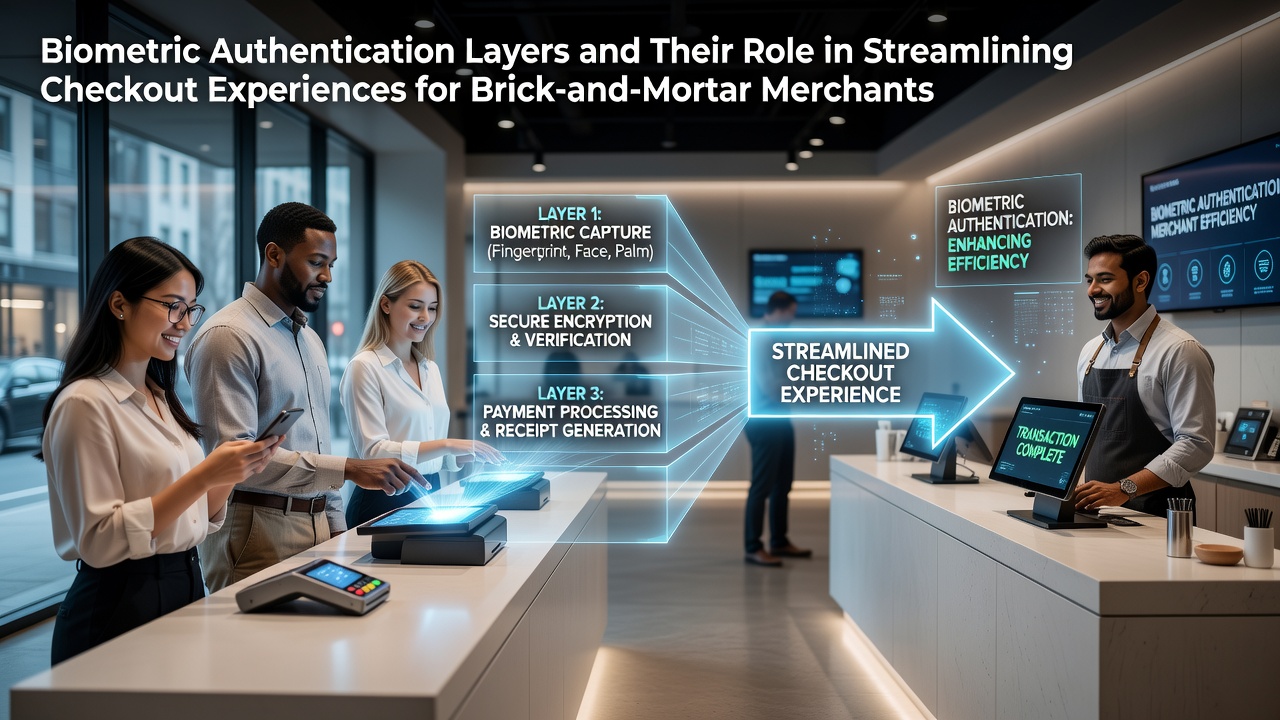
Biometric authentication layers combine multiple identification methods such as fingerprint scanning, facial recognition, iris detection and voice patterns to verify customer identity during in-store purchases. These systems replace or supplement traditional methods like PIN entry and signature capture while merchants integrate them into point-of-sale terminals and self-checkout kiosks. Data from industry reports shows adoption rates rising steadily across retail sectors as stores seek faster transaction processing without sacrificing security protocols.
Core Components of Biometric Layers in Physical Retail
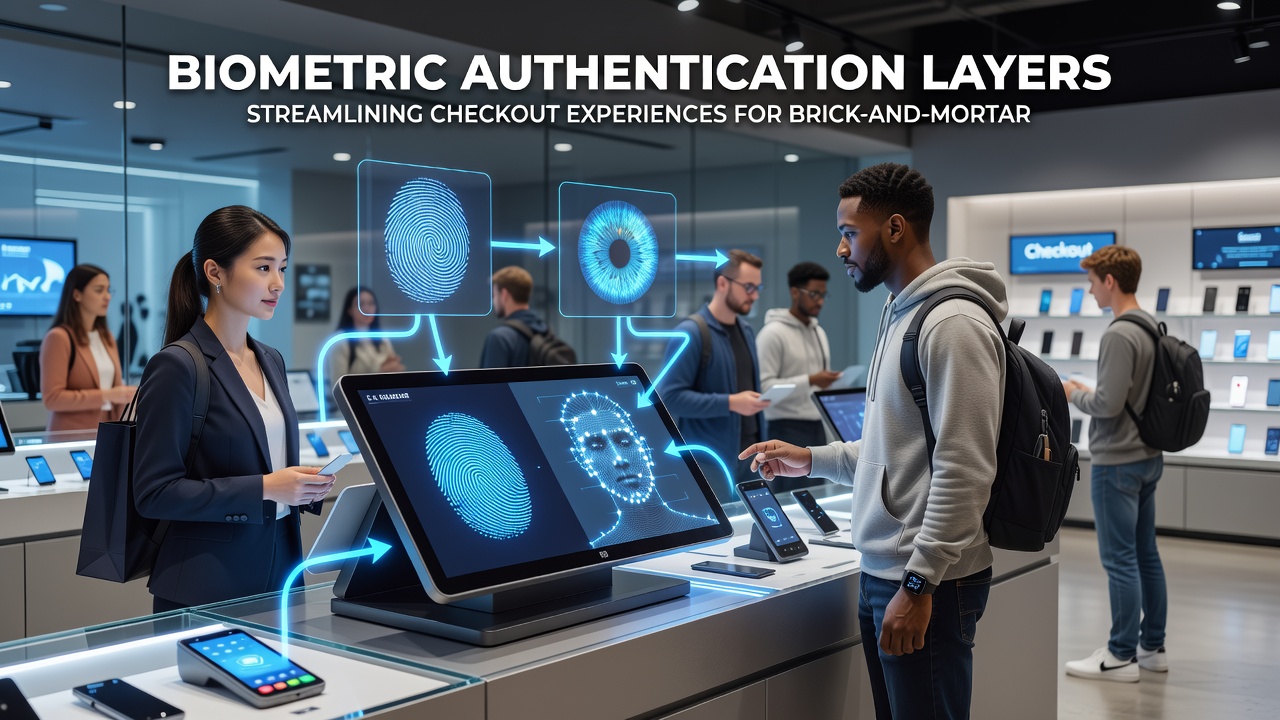
Retail environments deploy biometric layers through hardware sensors embedded in payment devices and software algorithms that match live captures against stored templates. Fingerprint readers capture ridge patterns while facial systems analyze geometric features such as eye spacing and jawline contours. Iris scanners use near-infrared light to map unique iris textures and voice systems process frequency and cadence characteristics during short spoken phrases at the terminal. Researchers at institutions including Carnegie Mellon University have documented how multi-layer fusion algorithms combine two or more modalities to reduce false acceptance rates below 0.1 percent in controlled tests. Merchants often configure these layers to activate sequentially or in parallel depending on transaction value and risk thresholds set by their payment processors.
Impact on Transaction Speed and Customer Flow
Checkout times shorten when customers complete verification in under two seconds compared with manual card insertion and PIN entry that typically require five to eight seconds. Retail chains implementing facial recognition at self-checkout lanes report throughput increases of 25 to 40 percent during peak hours according to operational data collected by the National Retail Federation. Staff members spend less time assisting with declined transactions or forgotten passwords because biometric matches occur locally on encrypted devices before authorization requests reach payment networks. One chain operating across multiple U.S. states integrated fingerprint and facial layers at all registers and recorded average basket completion times dropping from 47 seconds to 31 seconds within six months of rollout.
Security Enhancements and Fraud Reduction Metrics
Biometric templates remain encrypted and stored either on-device or in secure cloud repositories governed by standards from the National Institute of Standards and Technology. Unlike static passwords or card details these traits cannot be easily replicated or shared which limits account takeover attempts at physical terminals. European Union data compiled through ENISA indicates that stores using multi-factor biometric verification experienced 60 percent fewer card-present fraud incidents between 2023 and 2025. When a transaction requires secondary confirmation such as a quick iris scan after facial match the combined probability of unauthorized approval falls further. Merchants also gain audit trails that link each verified identity to specific purchase records aiding dispute resolution without exposing raw biometric data to store personnel.
Integration Patterns Across Store Formats
Supermarkets and big-box retailers tend to install biometric kiosks at high-volume exits while specialty apparel and electronics stores embed sensors directly into countertop terminals. Pharmacies handling regulated products add voice authentication for prescription pickup verification to comply with state pharmacy board requirements. Canadian retail groups testing these systems in 2025 reported seamless connectivity between existing EMV chip readers and biometric modules through standardized APIs provided by major payment gateways. Staff training focuses on troubleshooting sensor calibration and guiding first-time users through the enrollment process which typically involves capturing three reference samples during an initial account setup visit.
Regulatory Landscape and Privacy Considerations
Compliance frameworks in multiple jurisdictions require explicit customer consent before biometric data collection and mandate deletion options upon request. Australia's Privacy Act amendments effective in early 2026 clarify retention limits for retail biometric templates while similar guidance from Canada's Office of the Privacy Commissioner emphasizes transparency notices at enrollment points. Merchants must display clear signage and provide alternative payment paths for customers who opt out which maintains accessibility while preserving the efficiency gains for those who participate. Data minimization practices limit storage to template hashes rather than full images reducing breach exposure if systems face external threats.
Developments Projected for Mid-2026
Hardware manufacturers plan to release smaller multi-spectral sensors capable of operating in varied lighting conditions common to retail floors by July 2026. Software updates will incorporate adaptive thresholds that adjust matching sensitivity based on real-time fraud signals shared across payment networks. Several national retail associations anticipate pilot programs expanding biometric options to loyalty program integration allowing customers to redeem points through the same verification step used for payment authorization. These layered approaches continue to evolve alongside contactless card standards and mobile wallet frameworks already embedded in most modern point-of-sale environments.
Conclusion
Biometric authentication layers deliver measurable reductions in checkout duration and fraud exposure for brick-and-mortar merchants when deployed with appropriate hardware encryption and consent protocols. Continued refinement of multi-modal matching combined with evolving regulatory standards positions these systems as standard components of physical retail payment infrastructure through 2026 and beyond. Stores evaluating implementation examine vendor compliance documentation alongside transaction volume data to determine optimal modality combinations for their customer base and risk profile.