1 Jun 2026
API Pathways Guiding Secure Charge Cycles in Subscription Merchant Frameworks
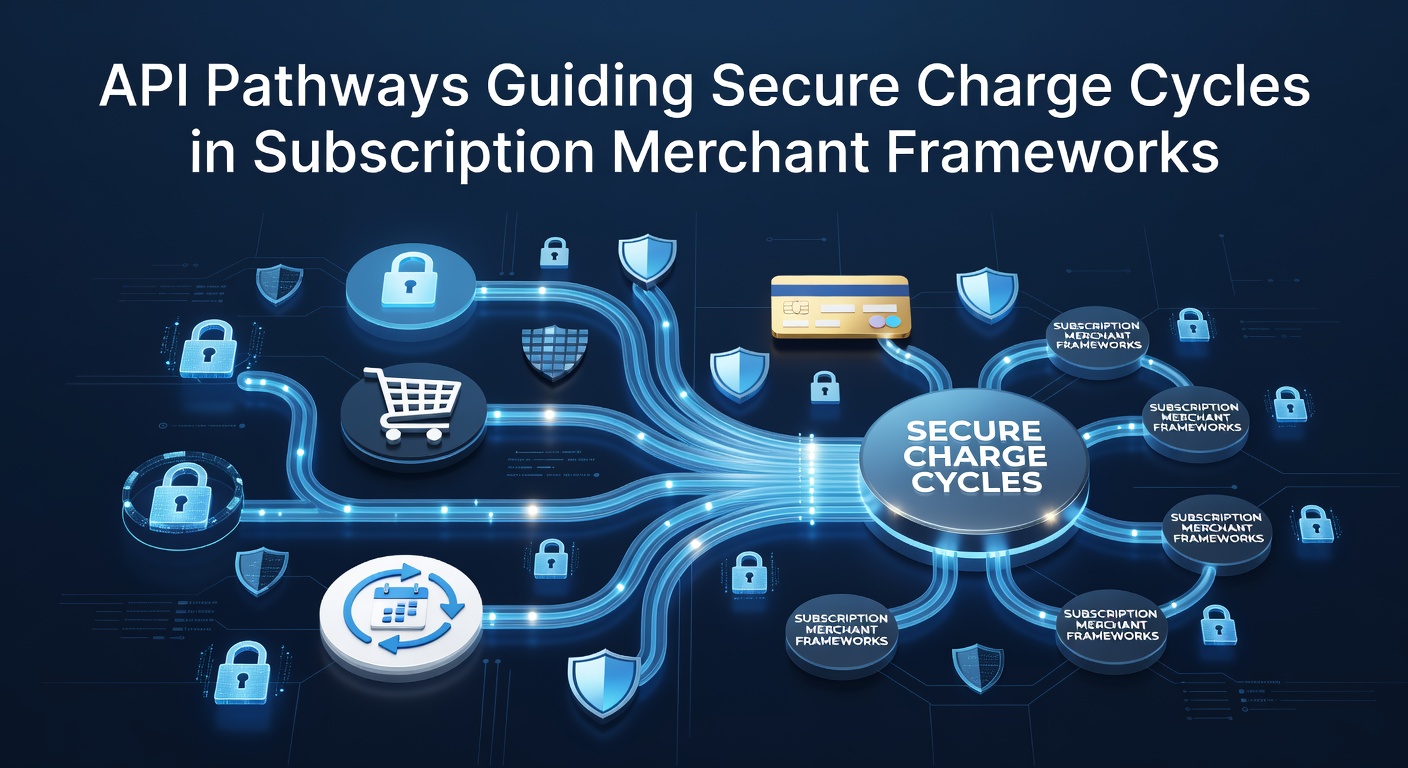
Subscription merchant frameworks rely on structured API pathways to handle recurring charges while maintaining security protocols that protect transaction data throughout each billing cycle, and these pathways connect authorization endpoints with tokenization services to ensure consistent processing across multiple payment periods.
Core Components of API Pathways in Recurring Billing
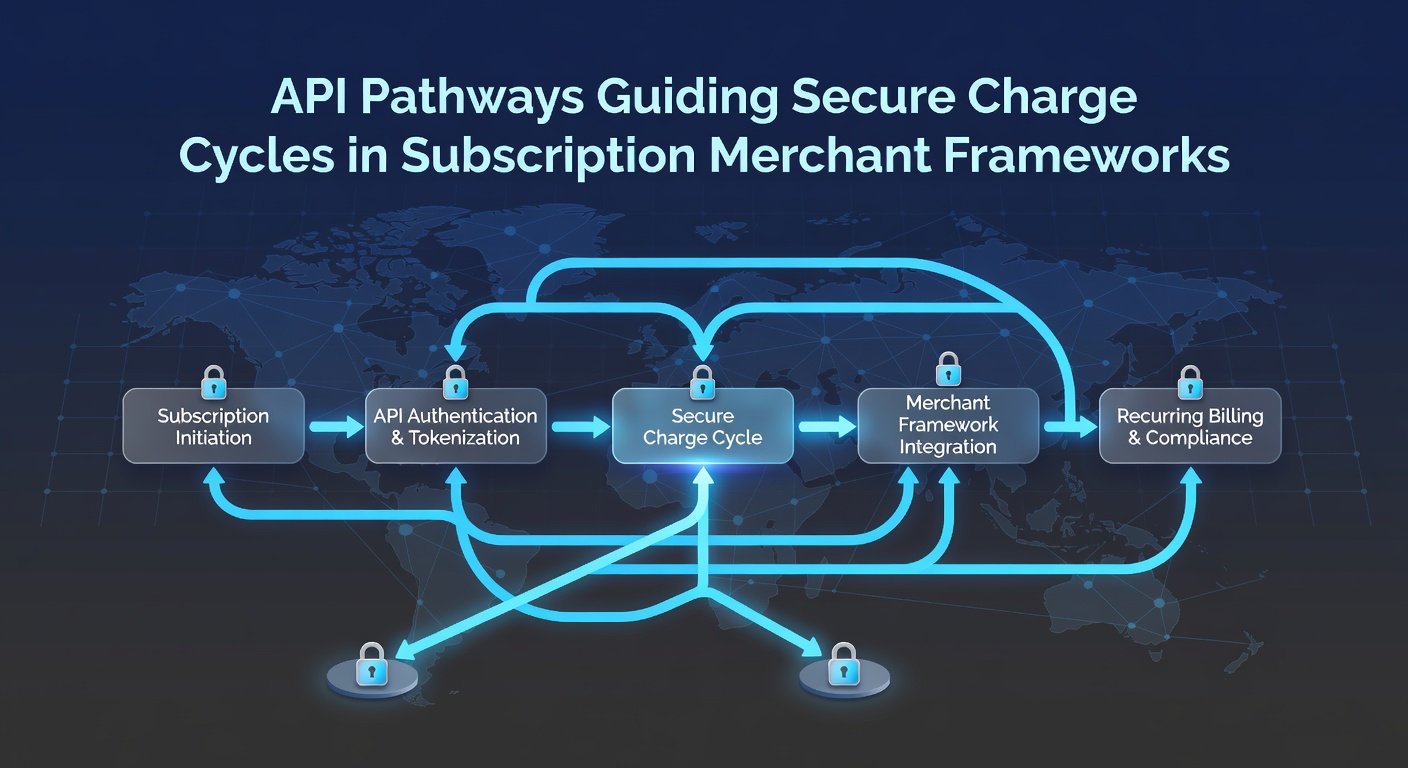
API pathways in subscription systems route requests through defined sequences that begin with customer authentication and proceed to charge validation, where each step incorporates encryption layers and compliance checks before funds transfer occurs, and this structure allows merchants to process periodic payments without storing sensitive card details directly on their servers.
Developers configure these pathways to include webhook triggers that notify systems of successful or failed attempts, which in turn activate retry logic or customer alerts based on predefined rules set during initial integration. Research from payment security organizations shows that such configurations reduce exposure points during the authorization phase.
Tokenization and Data Flow Management
Tokenization forms a central element within these API pathways, replacing card numbers with unique identifiers that travel through the charge cycle while the original data remains isolated in secure vaults managed by payment processors, and this separation limits the impact of any potential breach at the merchant level.
During each subscription renewal, the pathway pulls the token, pairs it with updated billing parameters, and submits the request to the acquiring bank through encrypted channels, while maintaining audit logs that record every interaction for compliance review. Observers note that frameworks adopting this method demonstrate measurable improvements in maintaining PCI DSS alignment over extended operational periods.
Security Protocols Embedded in Charge Cycles
Secure charge cycles incorporate multi-factor verification steps within the API sequence, including address verification and CVV checks that occur automatically before funds movement, and these steps integrate with real-time fraud scoring models supplied by third-party services. Data from regulatory bodies indicates that merchants implementing layered protocol checks experience lower rates of disputed transactions in recurring models.
Pathway configurations also support dynamic routing that directs high-risk attempts through additional review queues, while standard subscriptions proceed directly to settlement, and this selective approach optimizes processing speed without compromising oversight on vulnerable accounts. As standards evolve toward June 2026, updates to encryption requirements are expected to influence how these pathways handle international transaction routing.
Integration Patterns Across Merchant Platforms
Merchants integrate API pathways into existing subscription platforms through standardized endpoints that accept parameters for billing frequency, amount adjustments, and grace periods, and these integrations often leverage SDKs provided by gateway providers to accelerate deployment. Studies conducted by academic research groups have examined how consistent endpoint usage correlates with fewer processing interruptions in high-volume subscription environments.
One documented case involved a software-as-a-service provider that restructured its billing API calls to include failover endpoints, resulting in uninterrupted charge cycles during regional outages reported by primary processors. Such adjustments highlight the flexibility built into modern pathway designs that accommodate varying operational demands.
Compliance Considerations and Reporting Mechanisms
Regulatory frameworks require detailed reporting from API pathways, with automated exports that capture transaction metadata for audits by bodies such as the PCI Security Standards Council and the European Central Bank oversight divisions. These reports track metrics including authorization success rates and retry patterns across subscription cohorts.
Pathways configured for compliance also embed consent management features that record customer agreement timestamps and update statuses when billing terms change, ensuring alignment with data protection rules across different jurisdictions. Figures released by industry monitoring services reveal steady adoption of these embedded features among merchants handling cross-border recurring payments.
Conclusion
API pathways continue to shape how subscription merchant frameworks execute secure charge cycles by linking authentication, processing, and reporting functions into cohesive sequences that adapt to both technical and regulatory demands. Ongoing refinements in token handling and verification protocols support reliable operations while addressing emerging security requirements projected for 2026 and beyond.